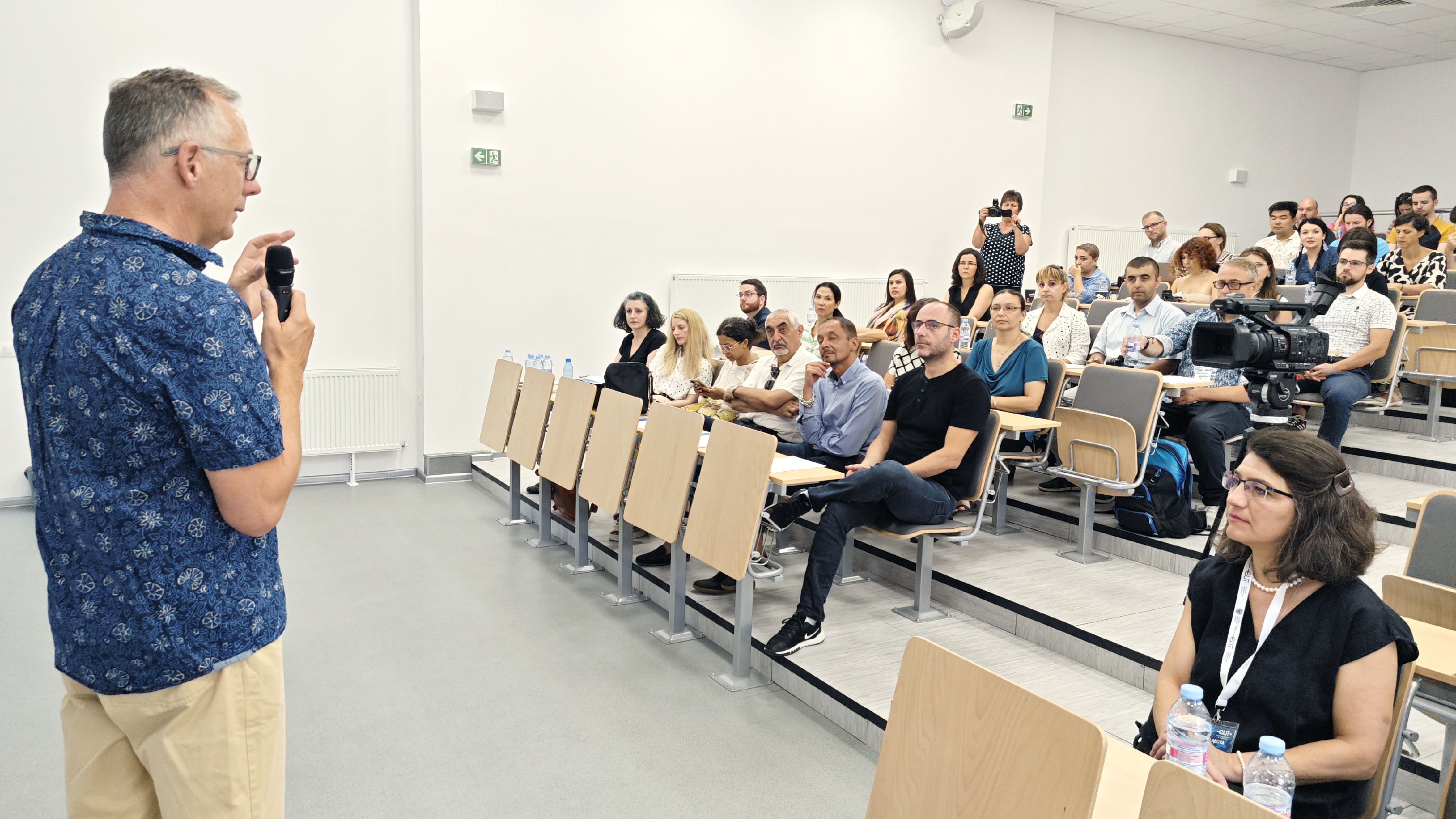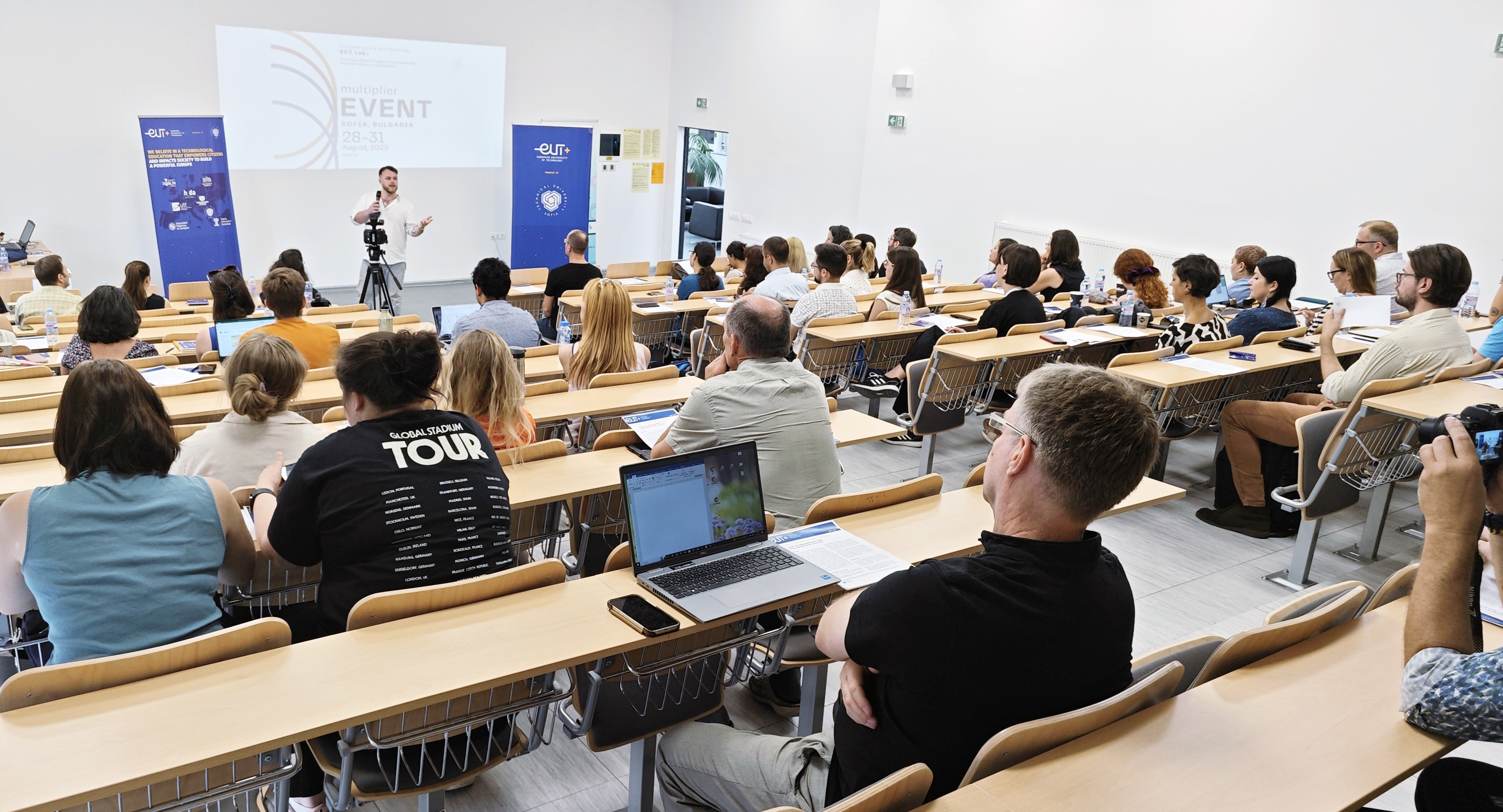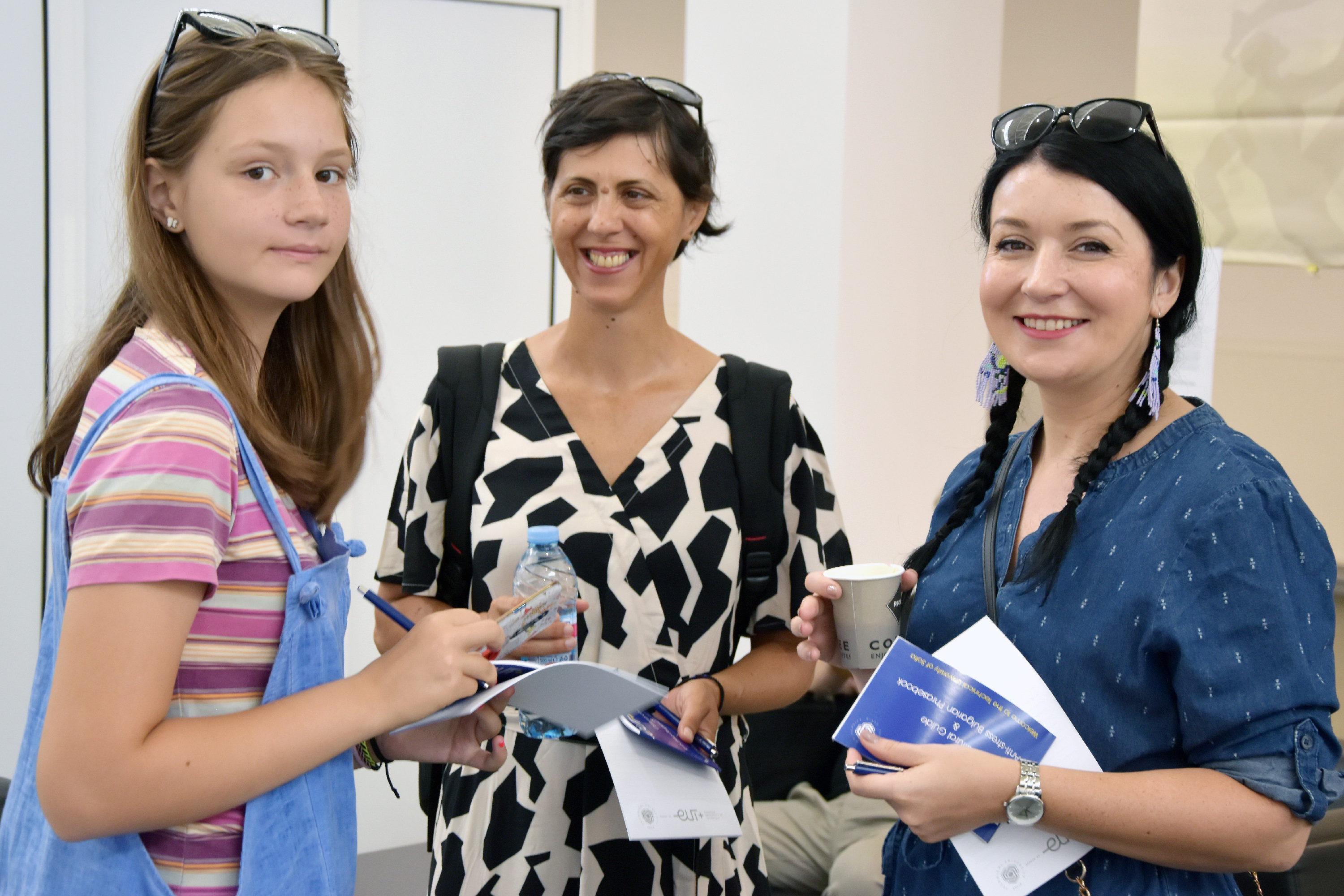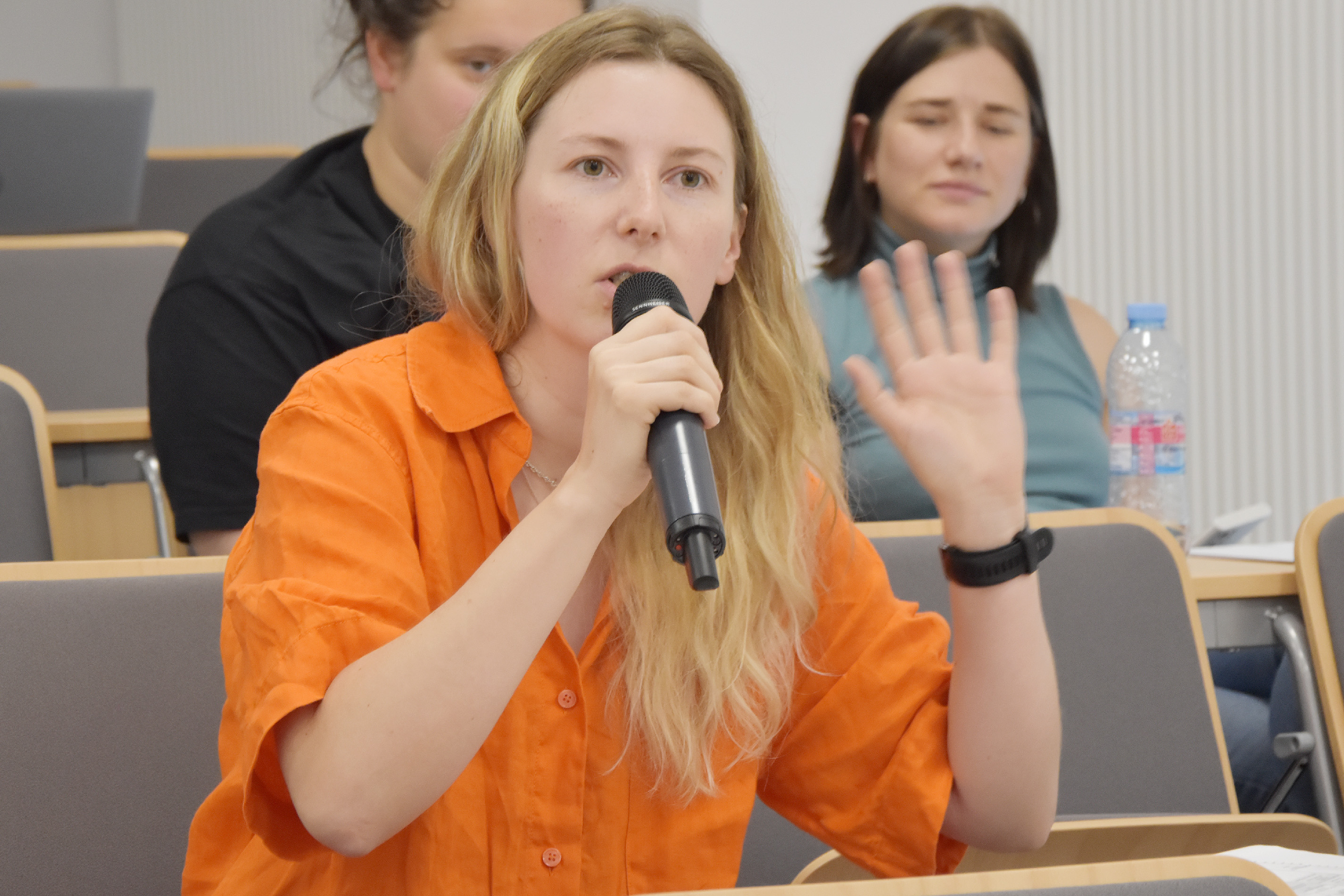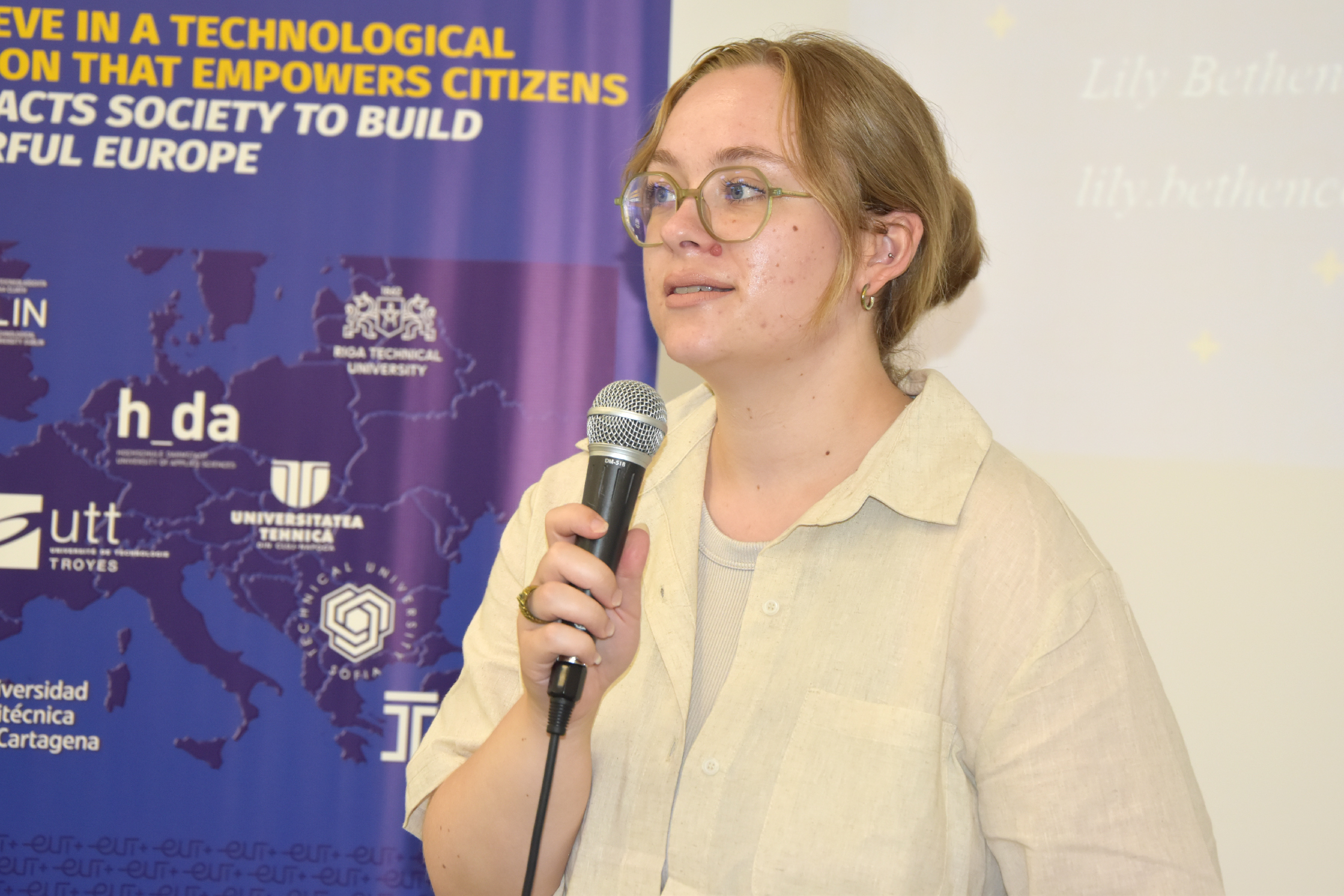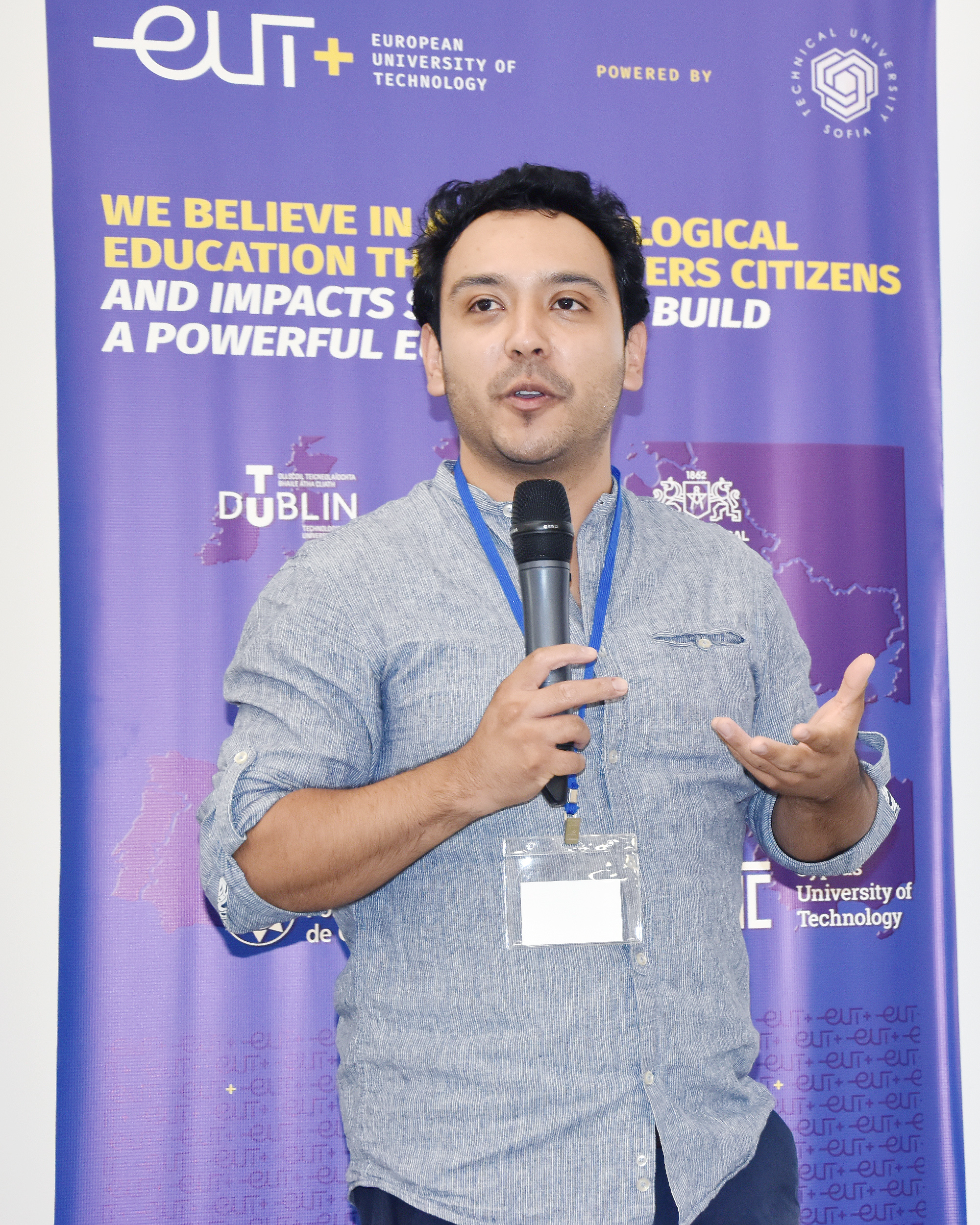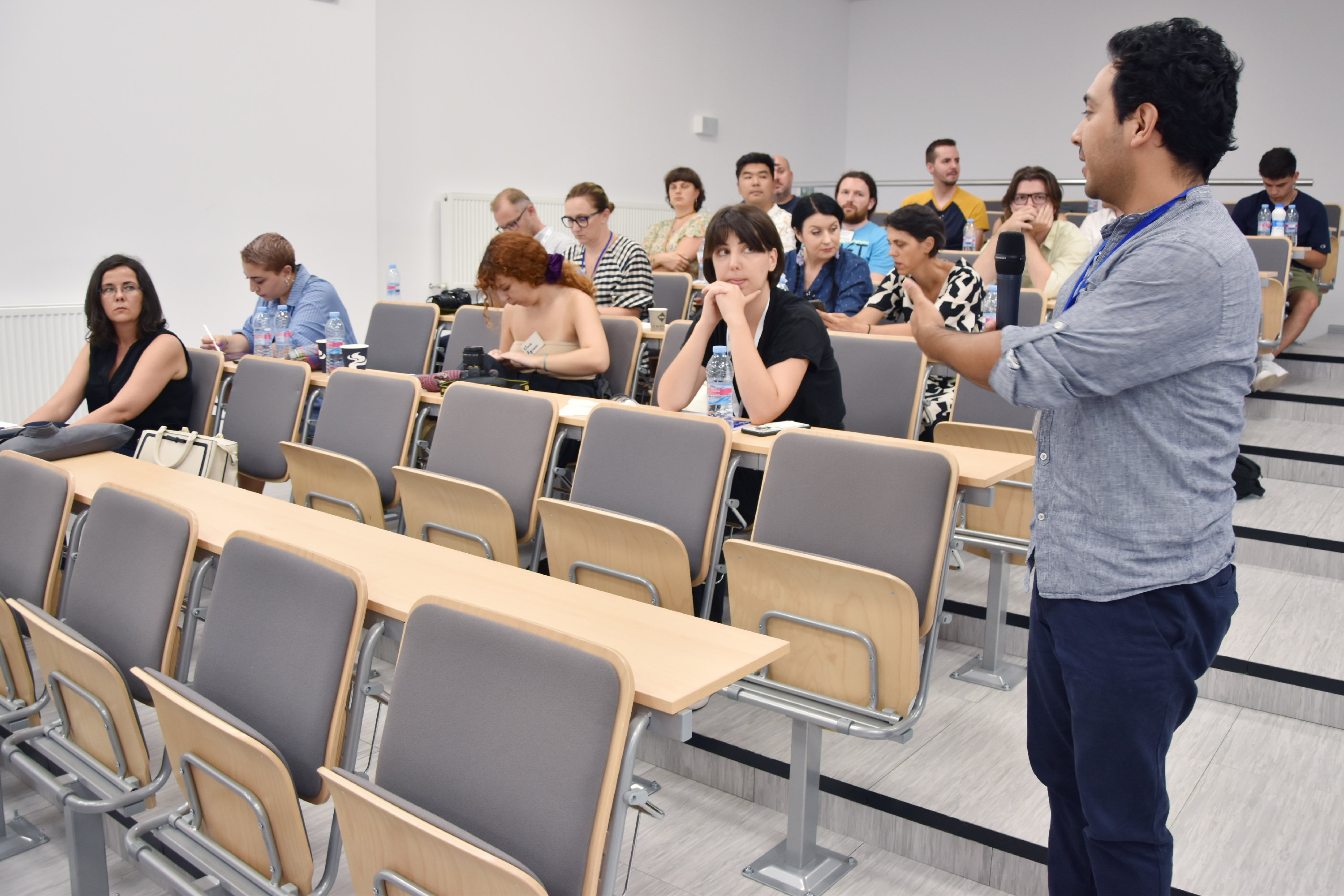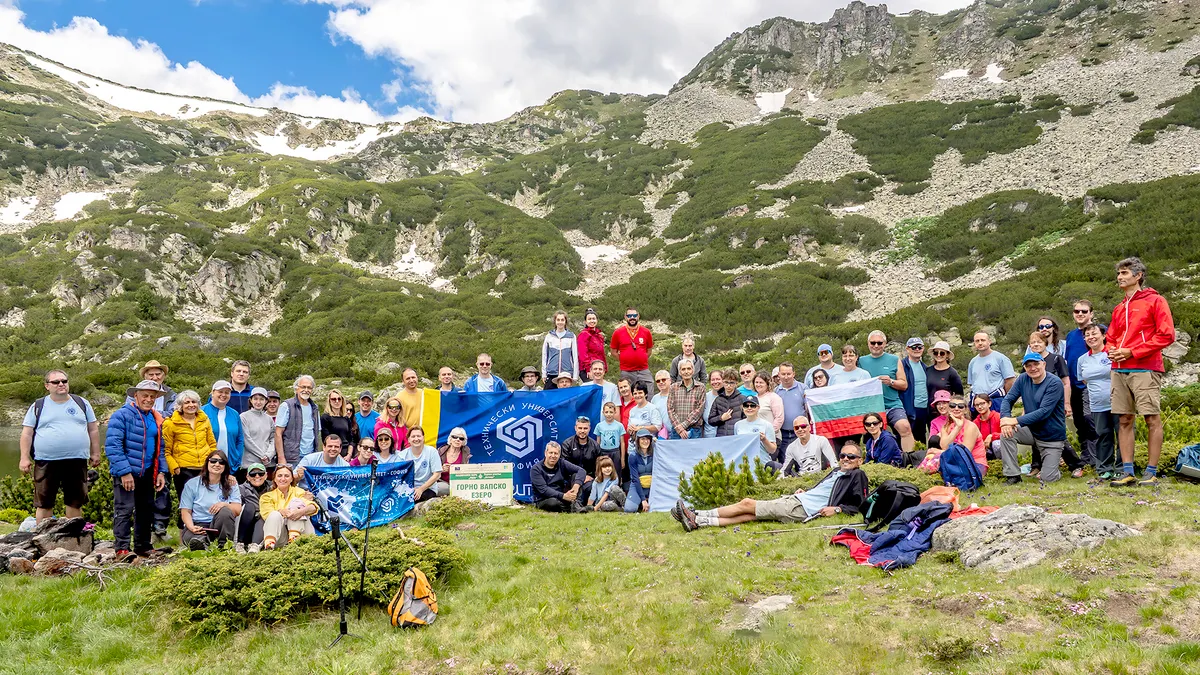

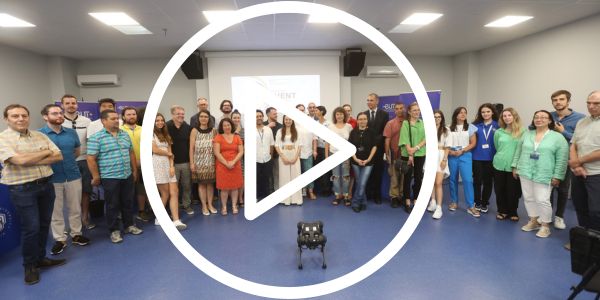
A cultural-educational and scientific forum was held at the Technical University – Sofia to present and widely disseminate the results of the research, training, and discussions conducted under the "EthiCo" project, within the framework of the European Technological University EUt+.
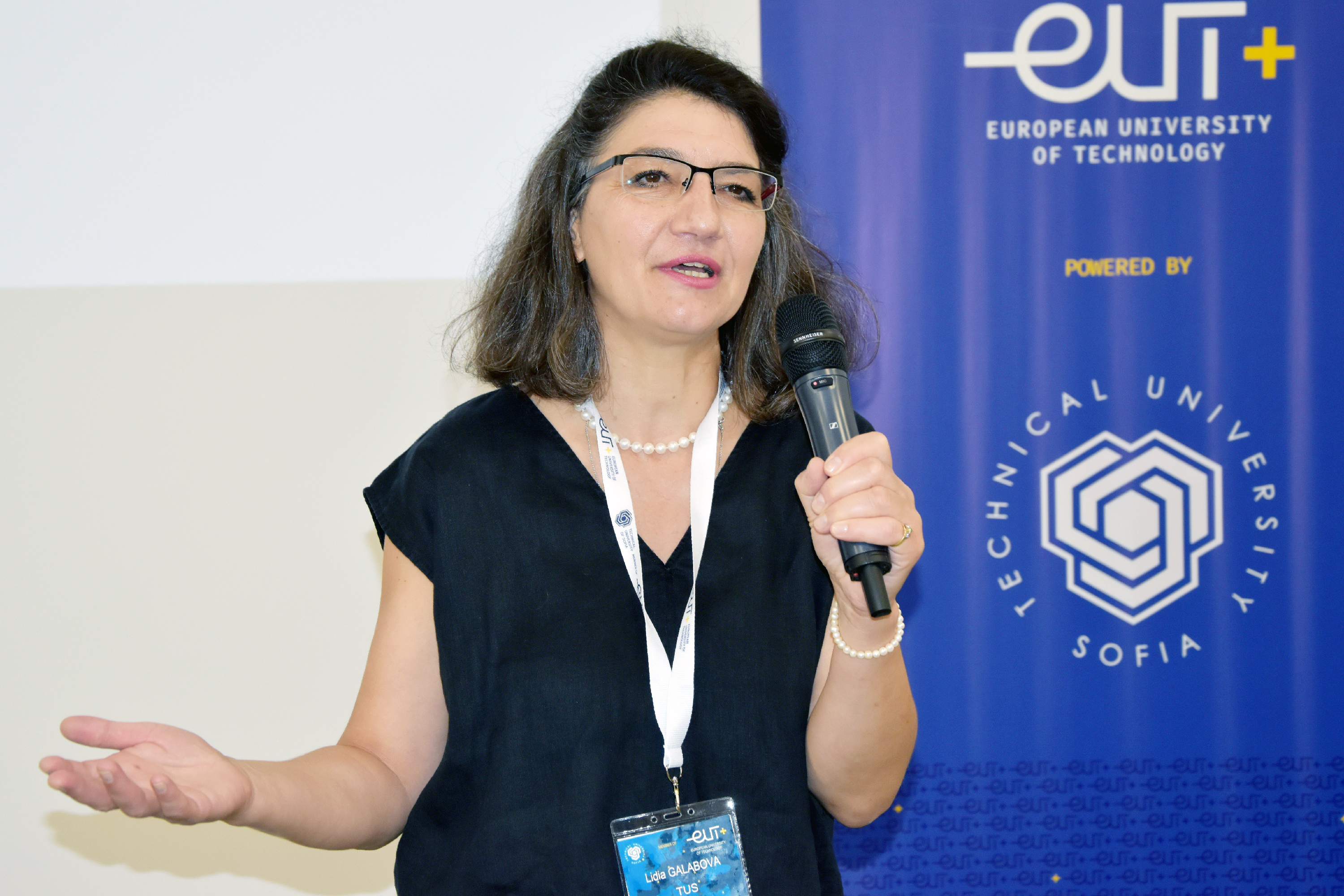
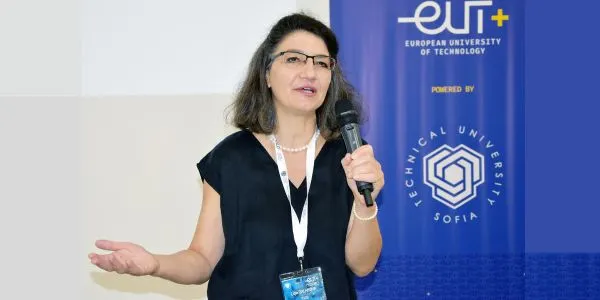
The urgent need for 21st-century education is a prerequisite for addressing the complex problems of the climate environment, ecological issues, and technological development. A radically new approach is needed, and we believe that teaching ethics and ecology in technological education will provide future generations with the right set of skills and competencies to address climate change issues through sustainable technological development. Under this motto, participants in the "EthiCo" project session, which started at the Technical University – Sofia, came together. Prof. Dr. Eng. Lidia Galabova, Deputy Rector for Scientific and Applied Activities, opened the scientific forum and outlined the important aspects that were discussed and analyzed during the meetings of the participants.
What is "EthiCo"? Ethics in this context should be understood as a form of practice, an individual methodology that has collective consequences, an ethical attitude towards the environment, the actions of a group of people that come to the forefront in emergency situations. It is important that when there is an emergency and danger to public health, various types of crises, disasters, the individual person sees and assesses the situation beyond their own needs and acts simultaneously - locally and globally, together with the other members of the community. This is the sum of micro-decisions that, when combined, have a global impact. The academic community is required to develop a program, implement it, and ensure that the issue of ethics and ecology is embedded in all main forms of higher education training. To achieve this, teachers and students must understand that environmental issues and the ethical question are one whole, that there is a deep overlap between ethics, ecology, and technology.
"Our goal is to design innovative, ethically-ecological educational methods that can be implemented in various disciplines in EUt+, from arts, humanities, and social sciences to design, engineering, and environmental technical sciences. This is related to the development of an expanded understanding of technology; technology not just as an application of science, but as a way through which we become human. In the long term, our goal is to transform technical and technological education to make it more sustainable for the individual and for society," the lecturers in the session of the meeting noted.