
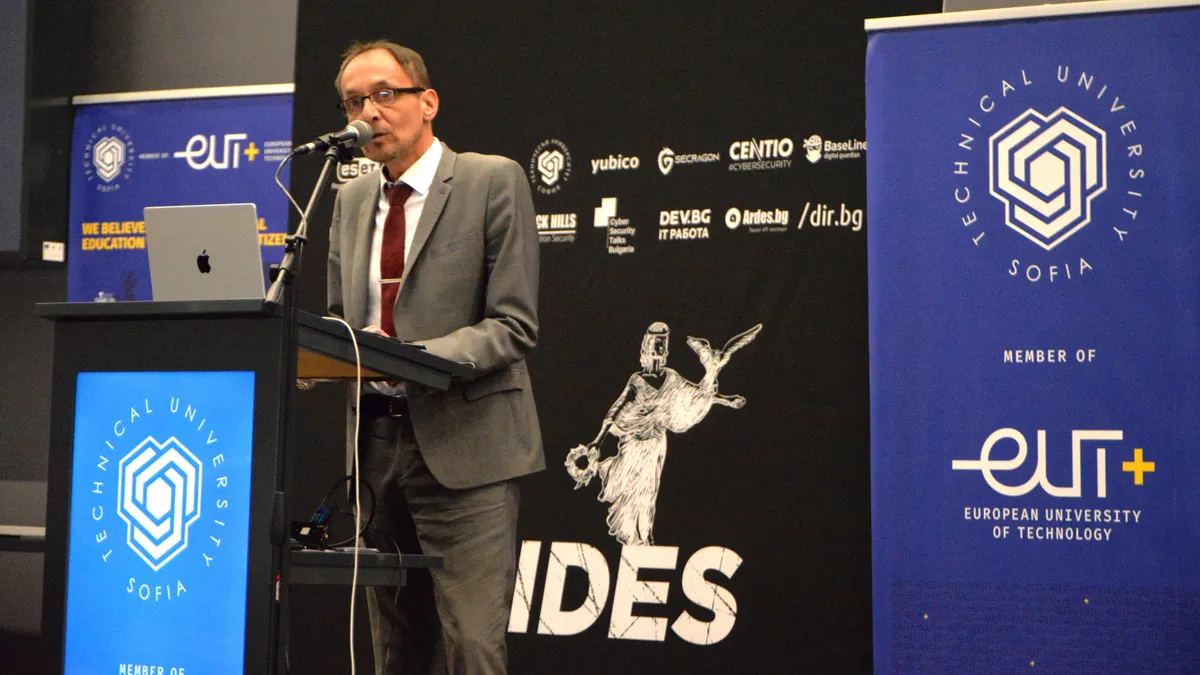
The event is part of the activities of the international community - Security BSides, which brought together over 530 developers, security engineers, DevOps specialists, penetration testers, and researchers who share practical experience from real projects and incidents.
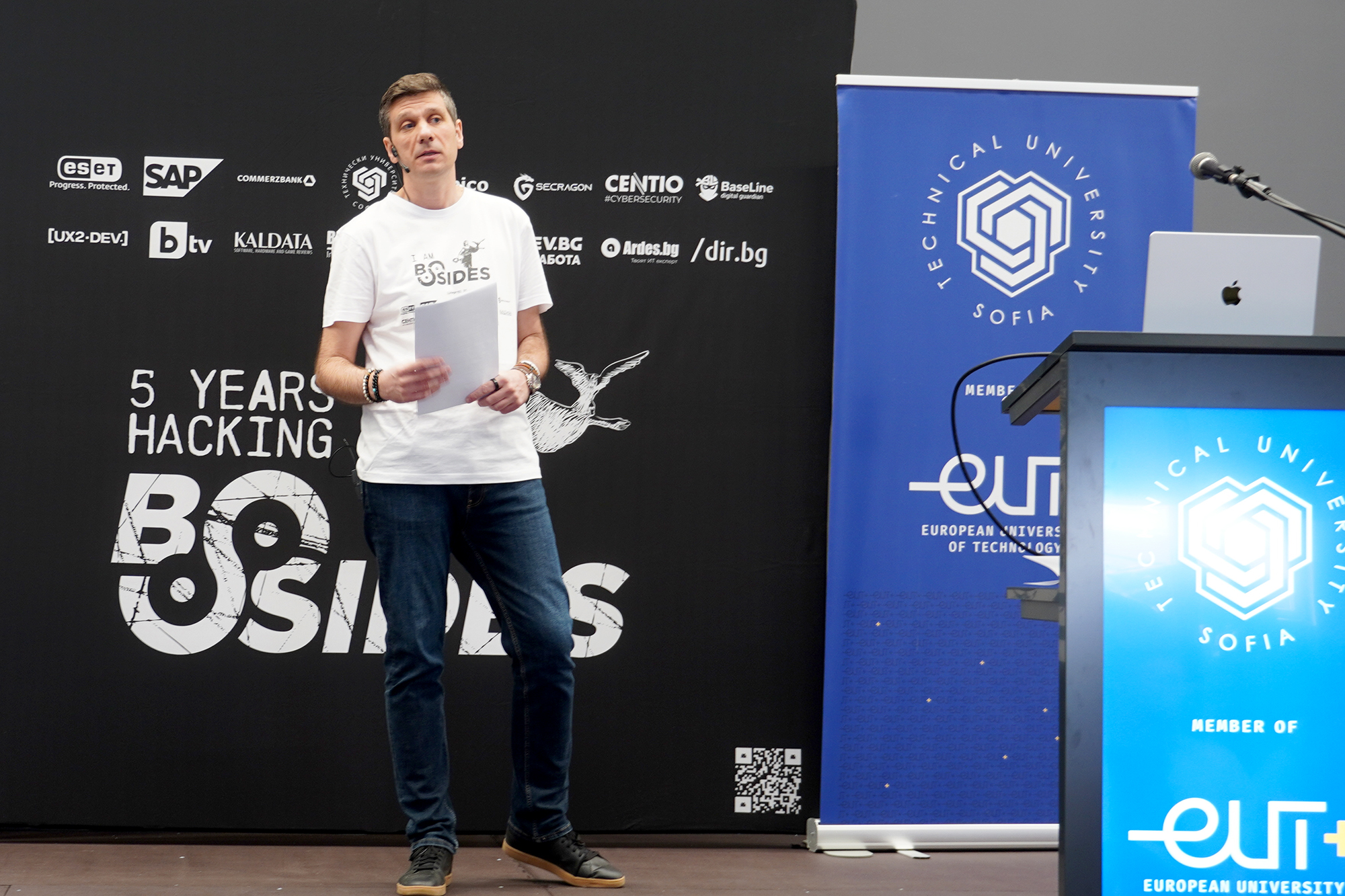
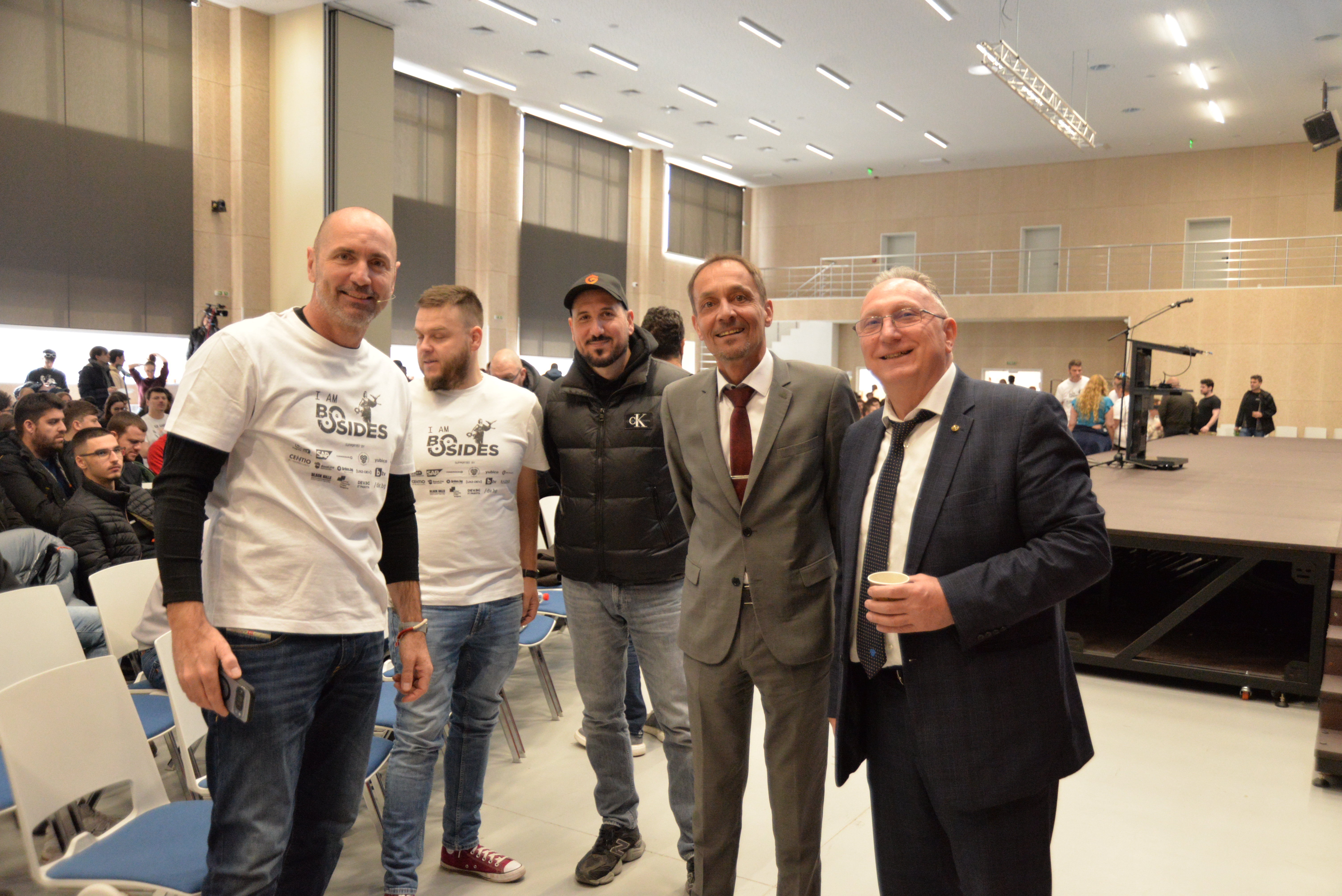
The Technical University – Sofia hosted the conference, which took place in the new high-tech hall „Tech Arena“.
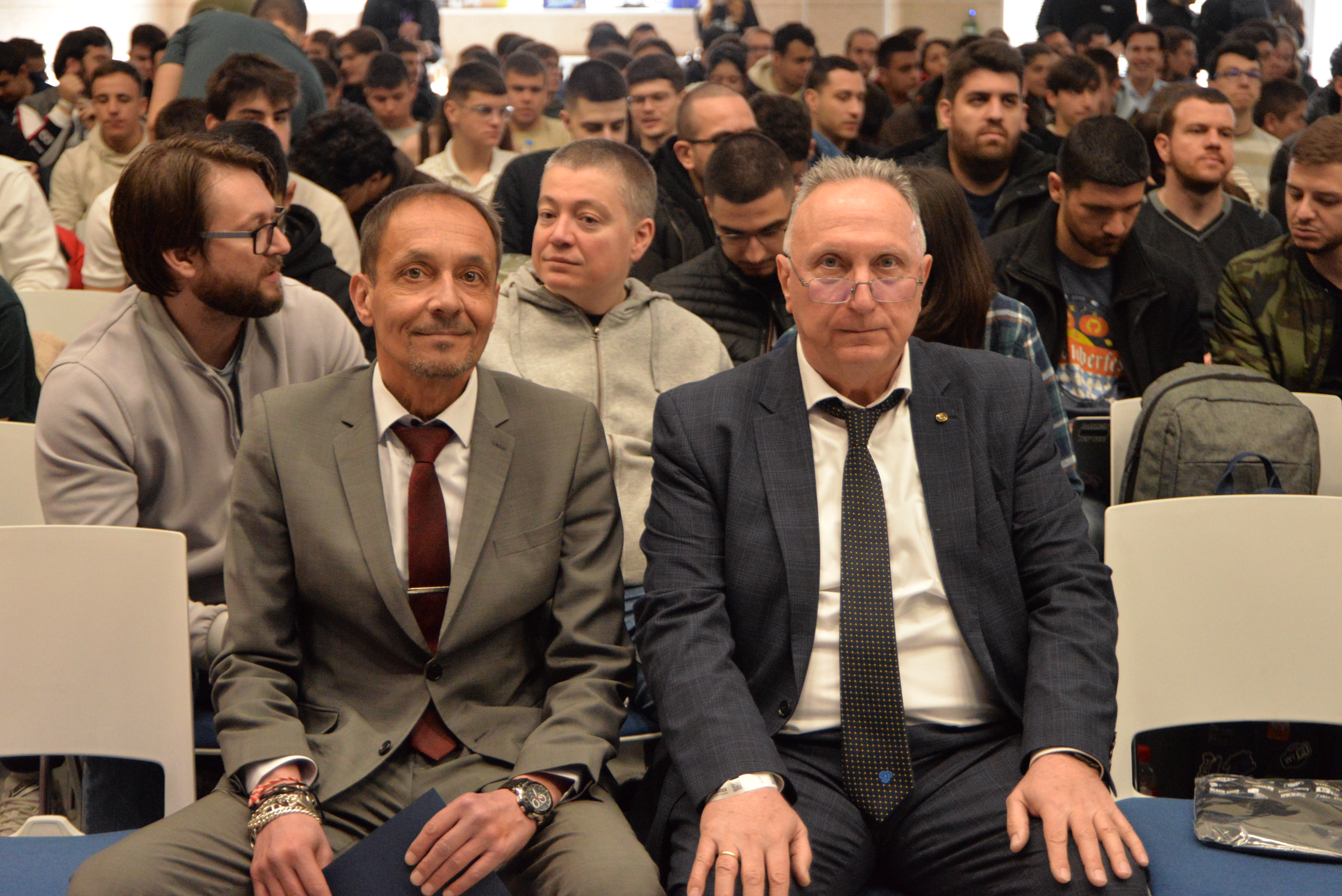
The Dean of the Faculty of Computer Systems and Technologies, Prof. Dr. Eng. Rumen Trifonov, many students from the faculty, lecturers from six countries – the USA, Mexico, Kosovo, Greece, Germany, and representatives of the information security community from Bulgaria were present.
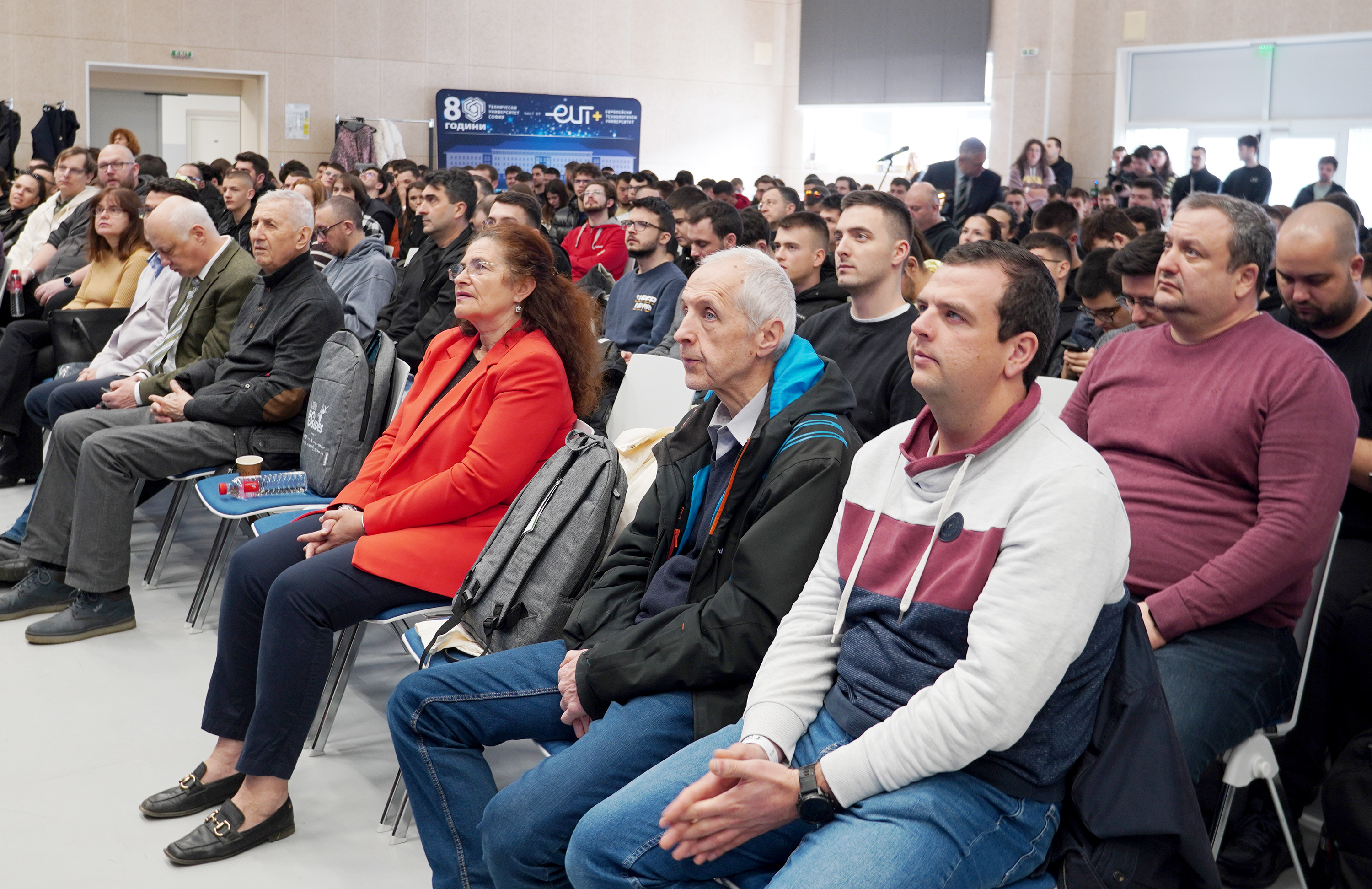
This year's topics included: software supply chain security, reverse engineering and malware analysis, attacks on modern infrastructure, security of satellite communications, and practical application of open source tools for protection.
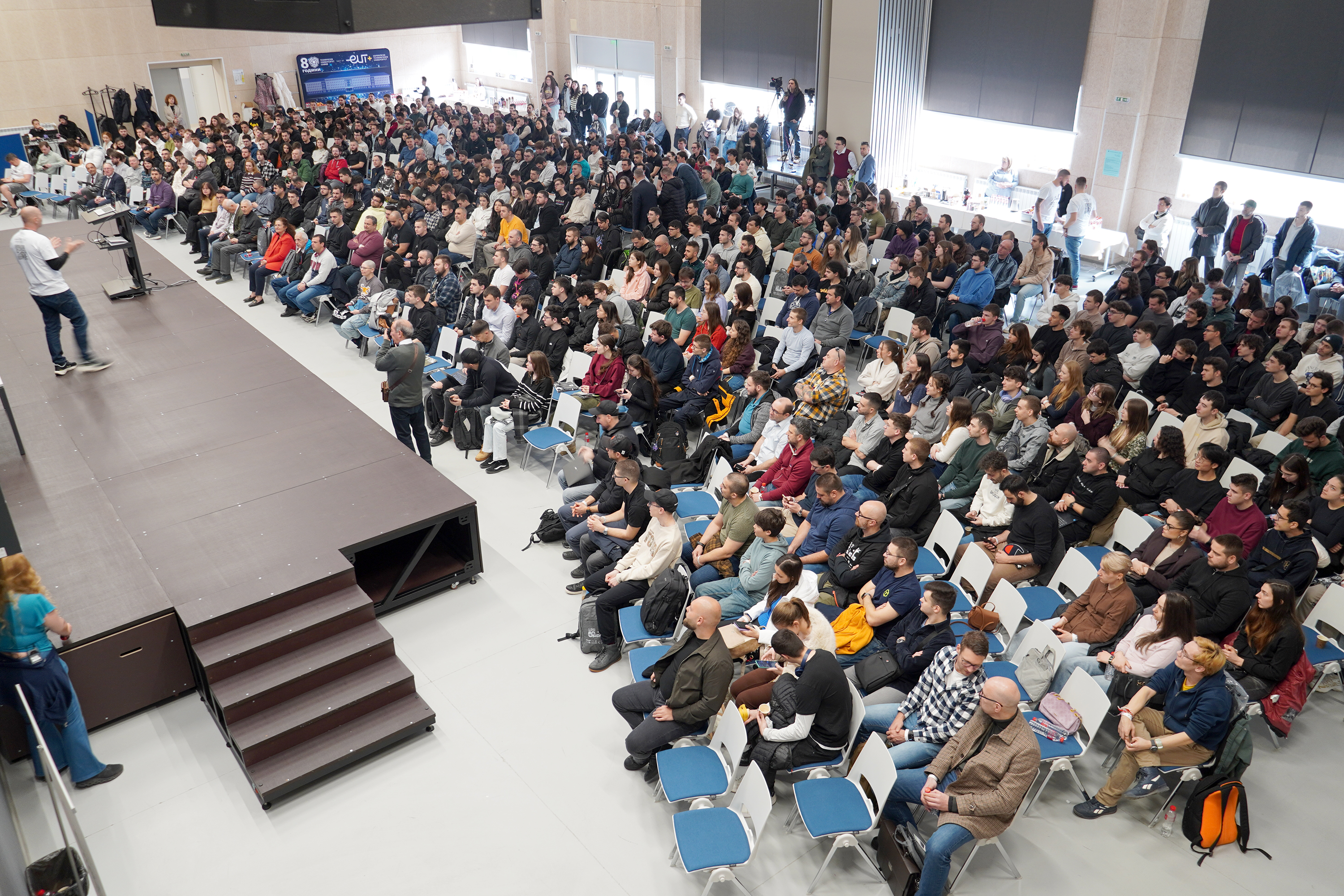
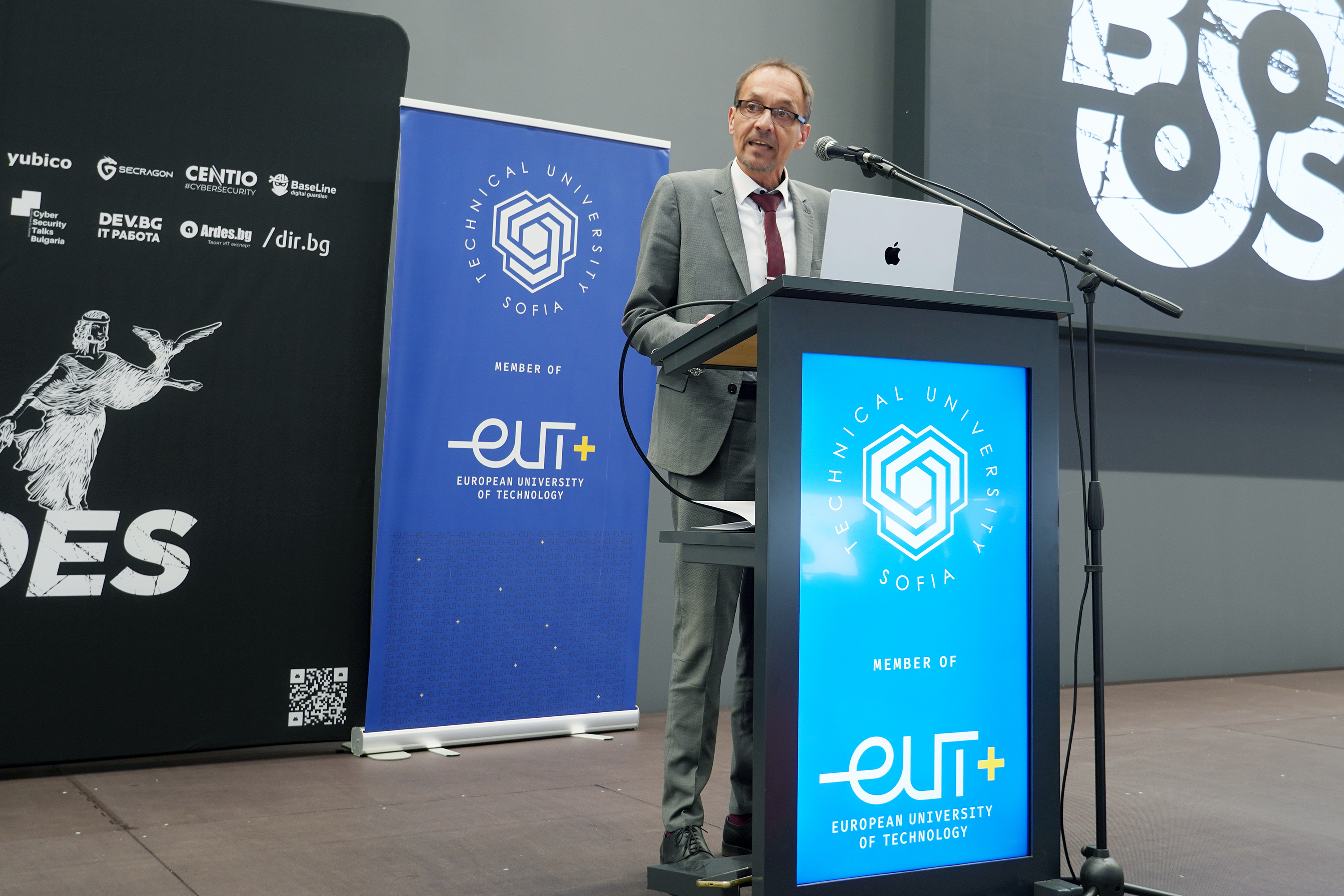
Prof. Venkov noted in his greeting that the Technical University – Sofia has opened its doors wide to cybersecurity in the communication society and is particularly empathetic to the problems of cybersecurity related to various activities in the internet space. The world today is technological, and young people enter the network, many of whom do not suspect the dangers that exist, he said, and emphasized that the specialty „Cybersecurity“ at TU – Sofia gives students the opportunity to direct their knowledge and practices towards communication and network security, to develop software applications with increased security, as well as to create projects related to the reliability and safety of critical infrastructures. They are of crucial importance for the sustainable functioning of the state and society, as they include comprehensive measures for protection from technical accidents and cyberattacks, he concluded.
One of the topics discussed at BSides Sofia 2026 was digital marketing and the dangers of not knowing its capabilities. The general opinion was that marketing technologies already know more about us, the specialists, and we believe that no problem exists. But what happens when the „predators“ on the network, rather than advertisers, use the same digital tools against children and teenagers?
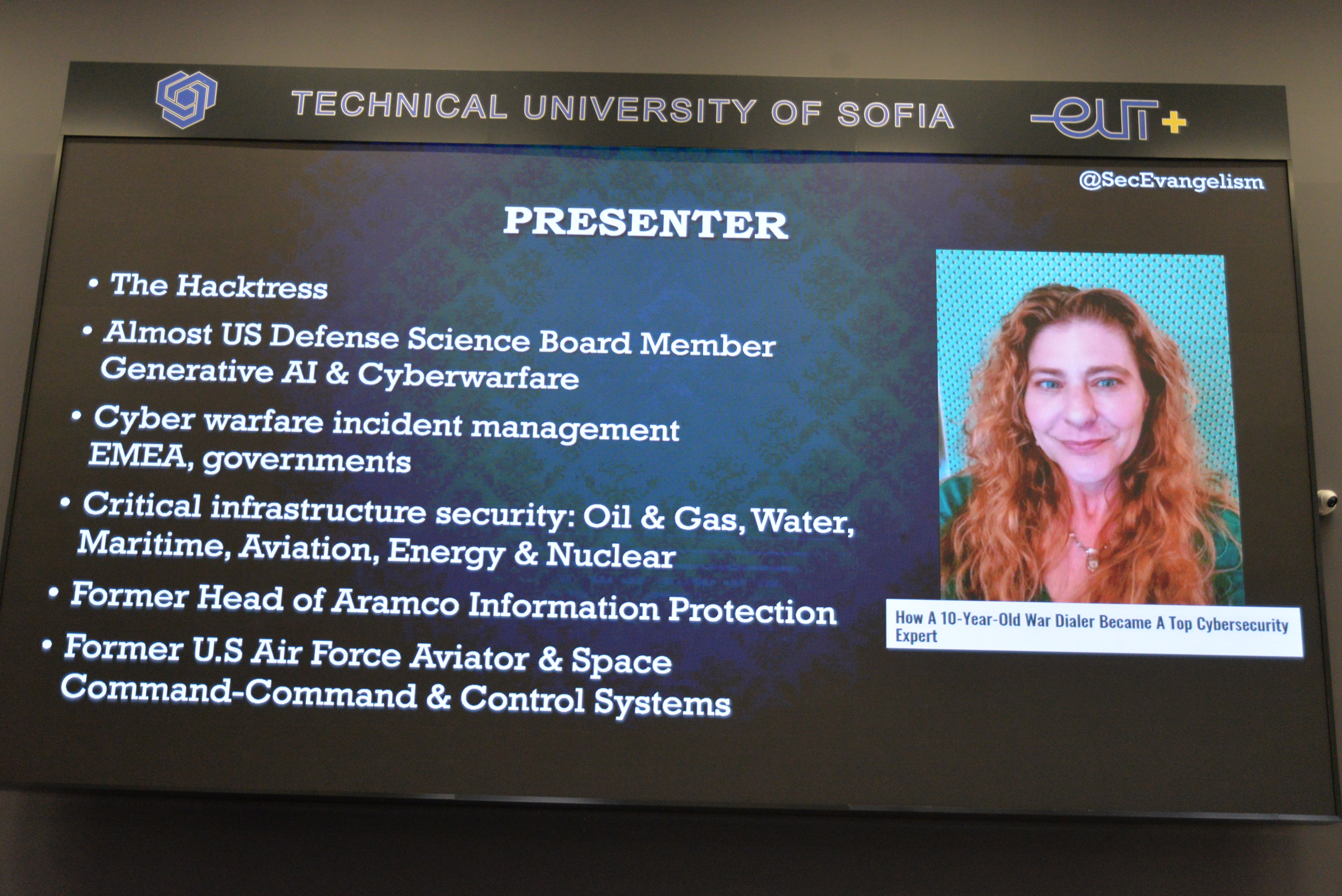
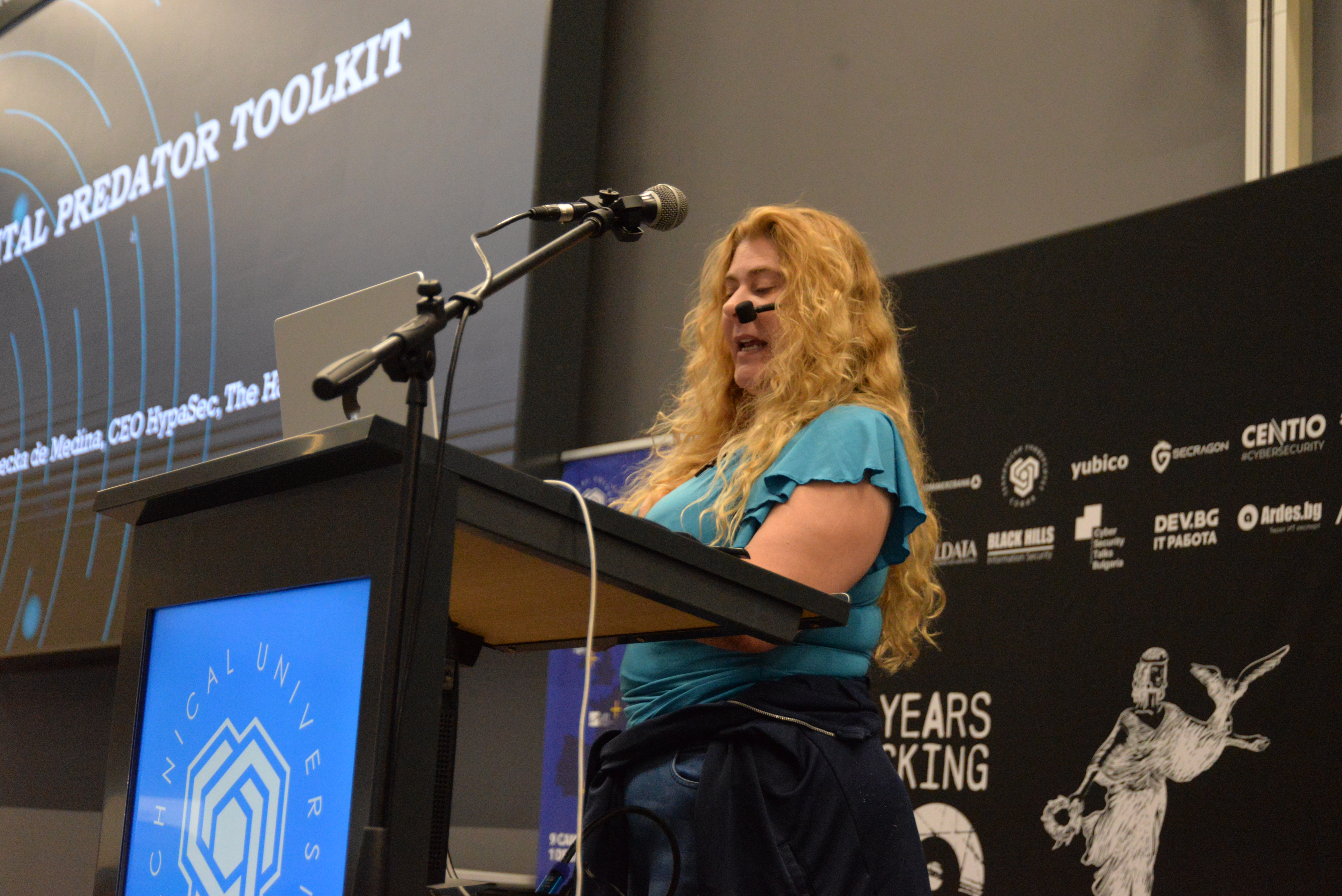
In the internet space, young people are quietly profiled, categorized, and targeted based on their vulnerabilities, as established in a study. These techniques are used not only for sexual solicitation but also for recruiting teenagers into cybercrimes, influence operations, and even sabotage of national states. This emerging threat is what experts called at the conference - „The Yellow Set of Tools for Digital Predators“, and this term sorts children into high-risk groups without their knowledge, turning ordinary online spaces into zones for recruitment, exploitation, manipulation, and harm.
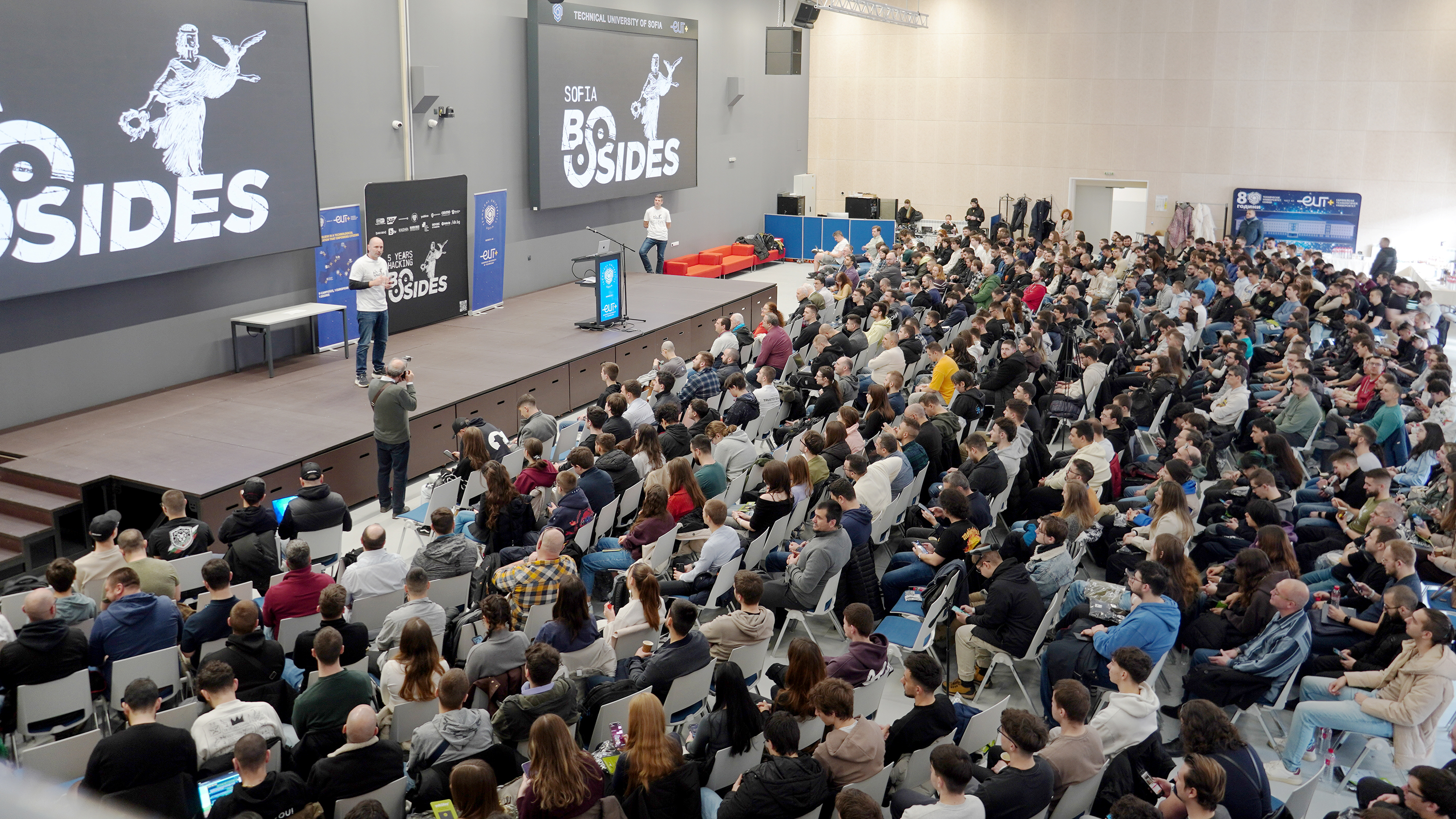
From a community of "believing users" to criminal networks, the threat is already at the doorstep of every home, most of the speakers stated. The fight against cybercrime will be tough and is yet to come, they concluded.
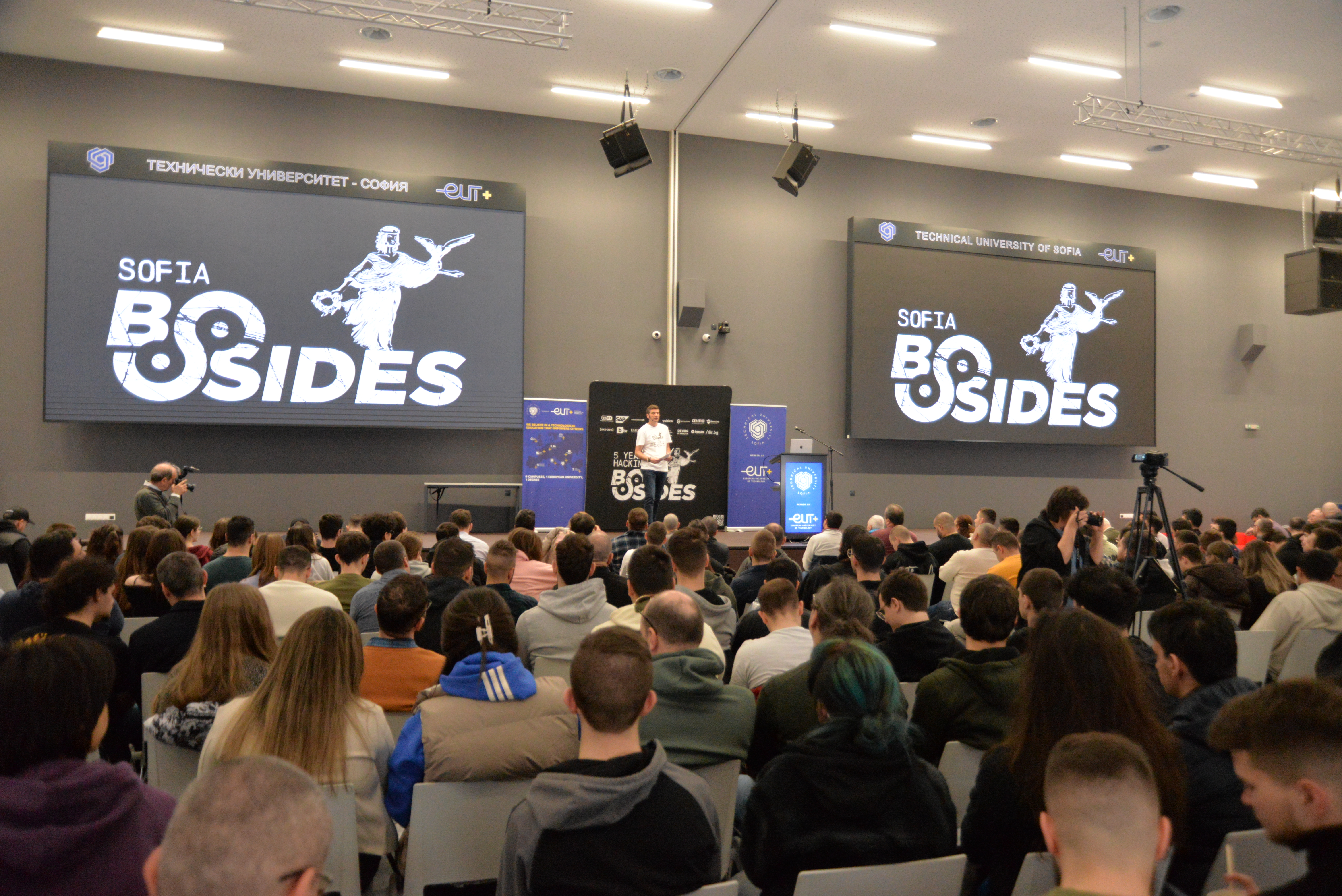
The organizers presented a study on how public platforms, trust in open collaboration, and the rapid spread of software can be used to disseminate disinformation or conduct covert operations.