
In the context of the growing need for engineering personnel both domestically and globally, Prof. Georgi Todorov, Chairman of the General Assembly of the Technical University – Sofia and Dean of the Faculty of Industrial Technologies, was a guest on the studio of "This Saturday and Sunday".
Prof. Todorov commented on the recent statements by the authorities that "Bulgarian industry desperately needs engineers and personnel".
"It needs them – perhaps not desperately, but persistently," he emphasized. "We have a whole generation of engineers created over the years. My faculty alone has graduated over 23,000 engineers who have built modern Bulgarian industry and are currently working all over the world. But we need a new generation – modern, thinking, knowledgeable, and capable engineers."
According to Prof. Todorov, personnel are created in good universities, and the Technical University – Sofia remains a leader in the country.
"In recent years, we have been striving to create engineers of European and world standards," he says.
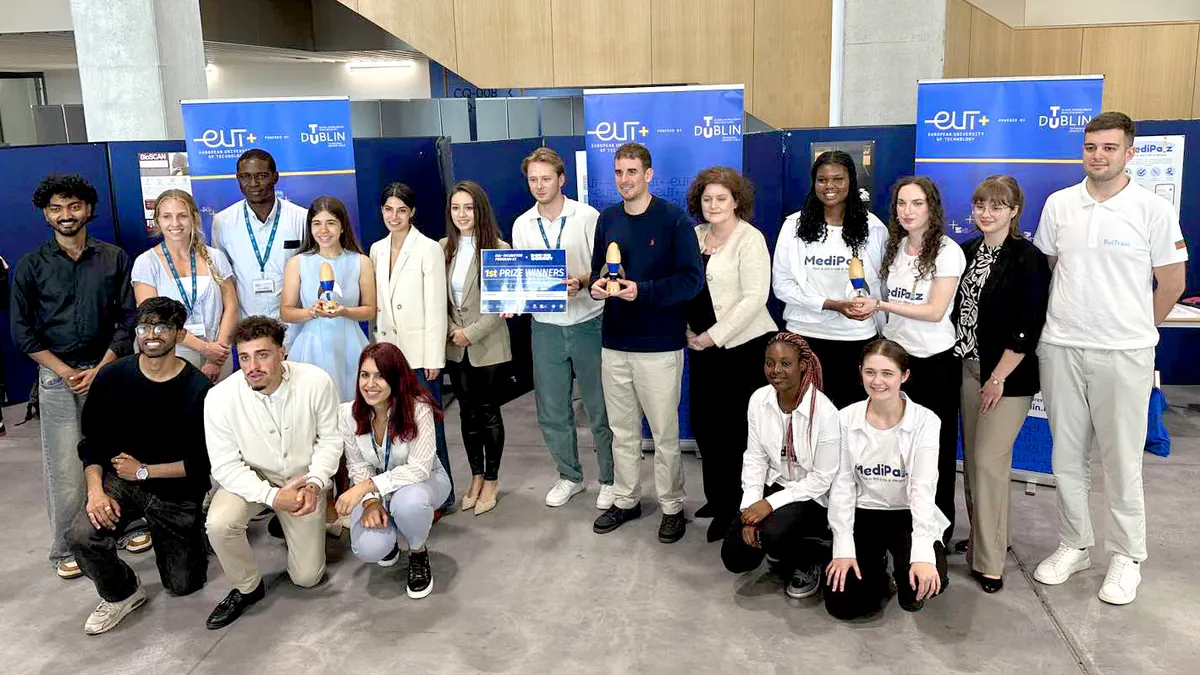
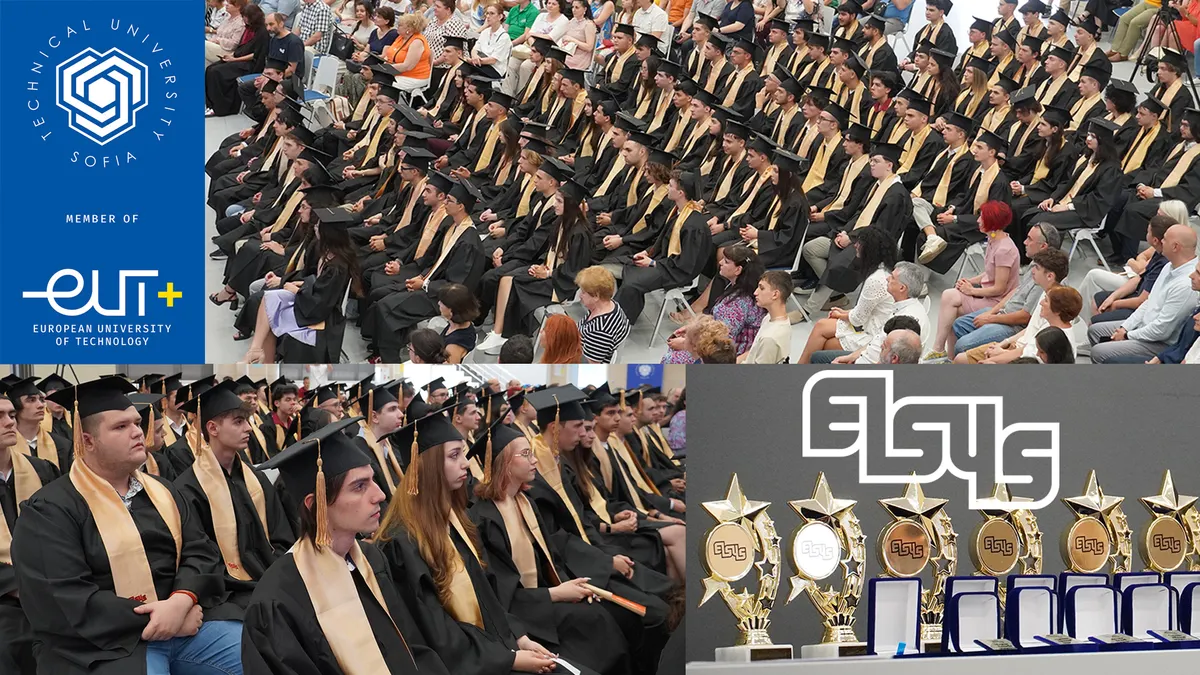
TU-Sofia is a co-founder of the European Technological University (EUt+), which unites nine higher education institutions from Germany, Italy, Spain, Ireland, Latvia, Romania, Cyprus, and Bulgaria. "In Europe, the concept is being established to unite efforts so that we can technologically compete with the United States and the Far East. We must jointly seek the path of modern technologies."
New programs have been created at the university, meeting the needs of industry:
Intelligent Systems and Artificial Intelligence (in Bulgarian and English)
Big Data Analytics
Aerospace Engineering
Cybersecurity
Microelectronics in preparation
"These specialties create a new environment and respond to the dynamics of the industry."
Prof. Todorov notes an interesting trend: "We have quite a few students who are returning. They studied for one or two years at European universities, but they find that what is offered there – especially the environment and socialization – is not at the required level. They prefer to return."
He claims that career prospects in our country are now fully comparable to those in Europe, and salaries in many engineering professions are significantly leveled. "Engineering staff are increasingly well-paid and in high demand. This changes career prospects and motivates more people to study engineering specialties."
"There are leading universities in Europe and the USA. We are still catching up with the largest ones, but there are also universities in Bulgaria at the European level. And in Bulgaria, there are good and bad universities, just as abroad," notes Prof. Todorov.
He emphasizes the importance of choice:
"A young person must choose a good university – here or abroad. But the social environment is important. More and more young people are deciding that it is better to stay in Bulgaria than to be second-rate abroad." Regarding the large number of young people leaving the country, he is categorical: "A large part of them become guest workers. I see no point in talented people with language skills and knowledge going abroad to do unskilled labor."
"We are seeing a return even of young people who lived abroad for a long time, who do not speak Bulgarian well but have a Bulgarian passport. In the English-language artificial intelligence program, we already have such students. Here, for the first time, they become real Bulgarians."
Regarding A.I., Prof. Todorov is categorical: "We do not just want to follow the pace of artificial intelligence, but to keep Bulgaria on the map of technologies." He emphasizes that over 140,000 people in our country work in the sector.
"Artificial intelligence threatens part of this industry. But people can retrain and enter the artificial intelligence business, which will enhance their capabilities. We want to remain part of the development, not just consumers."
Prof. Todorov concludes optimistically: "Bulgaria has great potential in the development of artificial intelligence."
btv.bg
Prof. Todorov commented on the recent statements by the authorities that "Bulgarian industry desperately needs engineers and personnel".
"It needs them – perhaps not desperately, but persistently," he emphasized. "We have a whole generation of engineers created over the years. My faculty alone has graduated over 23,000 engineers who have built modern Bulgarian industry and are currently working all over the world. But we need a new generation – modern, thinking, knowledgeable, and capable engineers."
According to Prof. Todorov, personnel are created in good universities, and the Technical University – Sofia remains a leader in the country.
"In recent years, we have been striving to create engineers of European and world standards," he says.
TU-Sofia is a co-founder of the European Technological University (EUt+), which unites nine higher education institutions from Germany, Italy, Spain, Ireland, Latvia, Romania, Cyprus, and Bulgaria. "In Europe, the concept is being established to unite efforts so that we can technologically compete with the United States and the Far East. We must jointly seek the path of modern technologies."
New programs have been created at the university, meeting the needs of industry:
Intelligent Systems and Artificial Intelligence (in Bulgarian and English)
Big Data Analytics
Aerospace Engineering
Cybersecurity
Microelectronics in preparation
"These specialties create a new environment and respond to the dynamics of the industry."
Prof. Todorov notes an interesting trend: "We have quite a few students who are returning. They studied for one or two years at European universities, but they find that what is offered there – especially the environment and socialization – is not at the required level. They prefer to return."
He claims that career prospects in our country are now fully comparable to those in Europe, and salaries in many engineering professions are significantly leveled. "Engineering staff are increasingly well-paid and in high demand. This changes career prospects and motivates more people to study engineering specialties."
"There are leading universities in Europe and the USA. We are still catching up with the largest ones, but there are also universities in Bulgaria at the European level. And in Bulgaria, there are good and bad universities, just as abroad," notes Prof. Todorov.
He emphasizes the importance of choice:
"A young person must choose a good university – here or abroad. But the social environment is important. More and more young people are deciding that it is better to stay in Bulgaria than to be second-rate abroad." Regarding the large number of young people leaving the country, he is categorical: "A large part of them become guest workers. I see no point in talented people with language skills and knowledge going abroad to do unskilled labor."
"We are seeing a return even of young people who lived abroad for a long time, who do not speak Bulgarian well but have a Bulgarian passport. In the English-language artificial intelligence program, we already have such students. Here, for the first time, they become real Bulgarians."
Regarding A.I., Prof. Todorov is categorical: "We do not just want to follow the pace of artificial intelligence, but to keep Bulgaria on the map of technologies." He emphasizes that over 140,000 people in our country work in the sector.
"Artificial intelligence threatens part of this industry. But people can retrain and enter the artificial intelligence business, which will enhance their capabilities. We want to remain part of the development, not just consumers."
Prof. Todorov concludes optimistically: "Bulgaria has great potential in the development of artificial intelligence."
btv.bg