
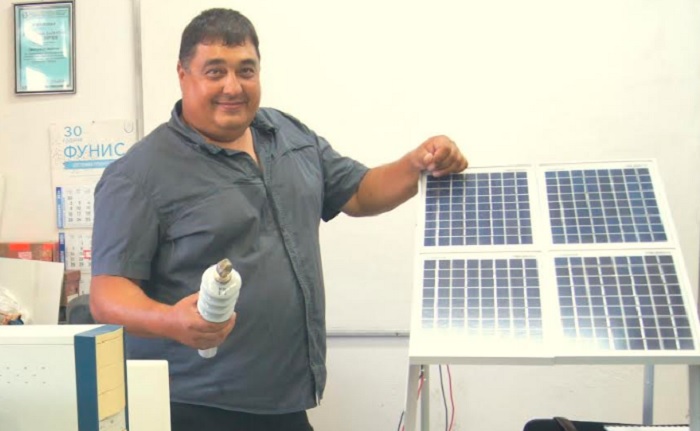
Assistant Mincho Velkov from the Technical University – Sofia, Plovdiv branch, dedicates his dissertation to a cause he deeply believes in: renewable energy sources. His scientific conviction is that the Sun is the future of humanity's energy independence, under one mandatory condition – solar parks must be environmentally sustainable. With his development, he takes a step in this direction by proposing an accessible method for optimizing the production of photovoltaic parks. As he explains himself:
"Maximum power is achieved when sunlight hits the panel surface perpendicularly, but the optimal production of a photovoltaic park is something else. Therefore, I am looking for an optimal tilt and orientation that satisfy the requirements of every consumer. We work with the single geographic information system PVGIS. It allows entering the geographic location of the future solar park and obtaining a forecast for energy production – annual, monthly, and weekly. I also work with other software for simulation and design of photovoltaic power plants."
In his practice, he has established that the predominant orientation of photovoltaic plants in Bulgaria is south, which leads to an energy peak during midday hours. This creates difficulties for electricity distribution companies, as it leads to a temporary surplus of energy and necessitates limiting the operation of some power plants. There are also plants that allow tracking the sun in both directions, but the investment in such plants is still too high and they are not so common in Bulgaria.
The solution he proposes in his dissertation is an east/west orientation or a mixed direction combined with south. Thus, energy production is more evenly distributed throughout the day, with a lower peak at noon, when the price of electricity is lowest or even negative. "Lower yield, but a wider time range. This is the goal. The system does not generate maximum power, but generates it when it is economically advantageous." – explains the researcher.
Assistant Velkov not only simulates and calculates but also implements various configurations in practice. On the roof of TU-Sofia, Plovdiv branch, two educational photovoltaic plants have been installed, and through cooperation with partner companies, he collects real measurements from already built facilities.
"I have personally built four solar plants – residential and industrial. One of the facilities has a capacity of 325 kWp and different orientations of the panels. My research is applicable to solar parks worldwide."
Attitudes toward solar energy vary significantly between rich and poorer countries. Many still do not realize the advantage of the Sun as a free energy source – despite the costs for construction and maintenance, the sun itself does not require payment.
Does Asst. Velkov consider the Sahara Desert the most suitable place for building large-scale solar parks?
"Yes – that is where the highest values of solar radiation are measured. But the major problem is the extreme temperature differences between day and night, which negatively affect panel performance. The industry is still not prepared with panels that can operate efficiently under such conditions."
For 20 days, the Sun provides Earth with as much energy as is contained in all known fossil fuels. Therefore, according to him, the future belongs to hydrogen, solar, wind, tides, geothermal energy – and all other renewable sources that nature can regenerate.
In Bulgaria, regulations impose restrictions – photovoltaic parks cannot be built on agricultural land with a category lower than 7. There are concerns that this rule is circumvented by some major investors, leading to ecological and moral dilemmas. About 90–95% of the parks I work on are located on roof areas – this is a sustainable and efficient practice."
His latest publication is dedicated to street lighting powered by photovoltaics mounted on light poles. But not in the classic way with autonomous batteries, but through an integrated system connected to the substation:
"In this way, not individual lamps but an entire street or residential network are powered. When the batteries are charged, excess energy is sold. The municipality saves money on lighting and simultaneously generates profit."
Calculations show that the investment in an energy-independent photovoltaic project can be recovered in 5–6 years, which is an economically beneficial and long-term sustainable option.
plovdiv-press.bg
"Maximum power is achieved when sunlight hits the panel surface perpendicularly, but the optimal production of a photovoltaic park is something else. Therefore, I am looking for an optimal tilt and orientation that satisfy the requirements of every consumer. We work with the single geographic information system PVGIS. It allows entering the geographic location of the future solar park and obtaining a forecast for energy production – annual, monthly, and weekly. I also work with other software for simulation and design of photovoltaic power plants."
In his practice, he has established that the predominant orientation of photovoltaic plants in Bulgaria is south, which leads to an energy peak during midday hours. This creates difficulties for electricity distribution companies, as it leads to a temporary surplus of energy and necessitates limiting the operation of some power plants. There are also plants that allow tracking the sun in both directions, but the investment in such plants is still too high and they are not so common in Bulgaria.
The solution he proposes in his dissertation is an east/west orientation or a mixed direction combined with south. Thus, energy production is more evenly distributed throughout the day, with a lower peak at noon, when the price of electricity is lowest or even negative. "Lower yield, but a wider time range. This is the goal. The system does not generate maximum power, but generates it when it is economically advantageous." – explains the researcher.
Assistant Velkov not only simulates and calculates but also implements various configurations in practice. On the roof of TU-Sofia, Plovdiv branch, two educational photovoltaic plants have been installed, and through cooperation with partner companies, he collects real measurements from already built facilities.
"I have personally built four solar plants – residential and industrial. One of the facilities has a capacity of 325 kWp and different orientations of the panels. My research is applicable to solar parks worldwide."
Attitudes toward solar energy vary significantly between rich and poorer countries. Many still do not realize the advantage of the Sun as a free energy source – despite the costs for construction and maintenance, the sun itself does not require payment.
Does Asst. Velkov consider the Sahara Desert the most suitable place for building large-scale solar parks?
"Yes – that is where the highest values of solar radiation are measured. But the major problem is the extreme temperature differences between day and night, which negatively affect panel performance. The industry is still not prepared with panels that can operate efficiently under such conditions."
For 20 days, the Sun provides Earth with as much energy as is contained in all known fossil fuels. Therefore, according to him, the future belongs to hydrogen, solar, wind, tides, geothermal energy – and all other renewable sources that nature can regenerate.
In Bulgaria, regulations impose restrictions – photovoltaic parks cannot be built on agricultural land with a category lower than 7. There are concerns that this rule is circumvented by some major investors, leading to ecological and moral dilemmas. About 90–95% of the parks I work on are located on roof areas – this is a sustainable and efficient practice."
His latest publication is dedicated to street lighting powered by photovoltaics mounted on light poles. But not in the classic way with autonomous batteries, but through an integrated system connected to the substation:
"In this way, not individual lamps but an entire street or residential network are powered. When the batteries are charged, excess energy is sold. The municipality saves money on lighting and simultaneously generates profit."
Calculations show that the investment in an energy-independent photovoltaic project can be recovered in 5–6 years, which is an economically beneficial and long-term sustainable option.
plovdiv-press.bg
Latest News and Events
View all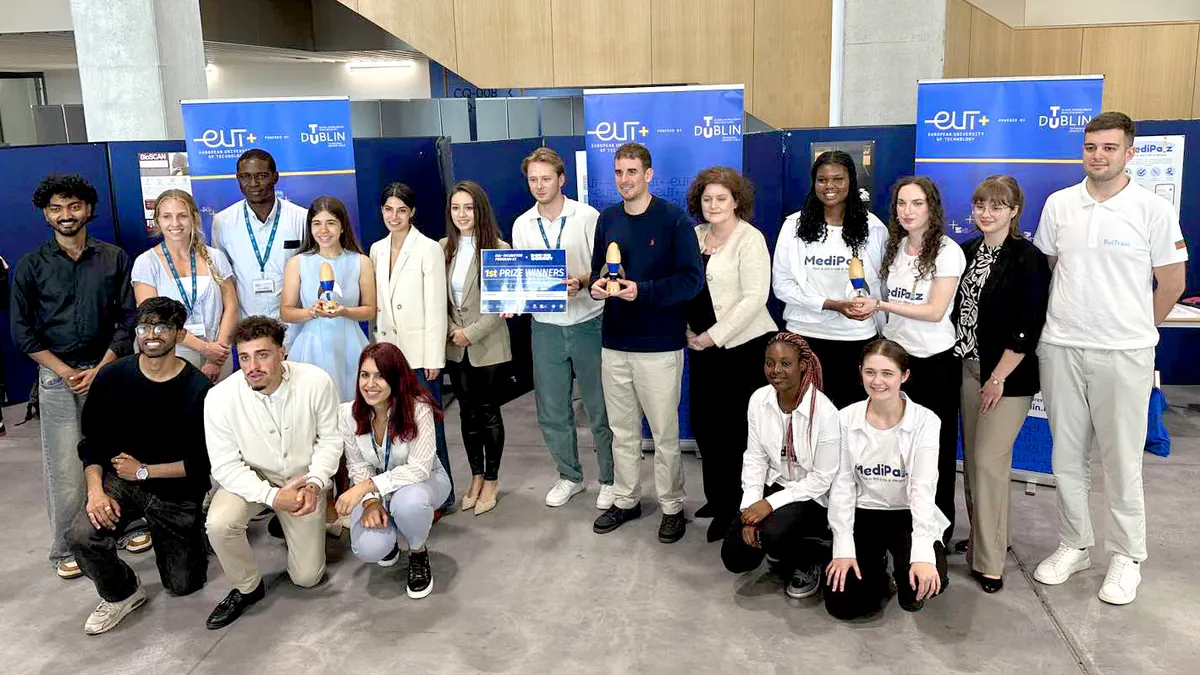
Events
The Technical University – Sofia with a worthy performance at the final of the international Incubation Program for Entrepreneurship in Dublin
July 04, 2026
Read more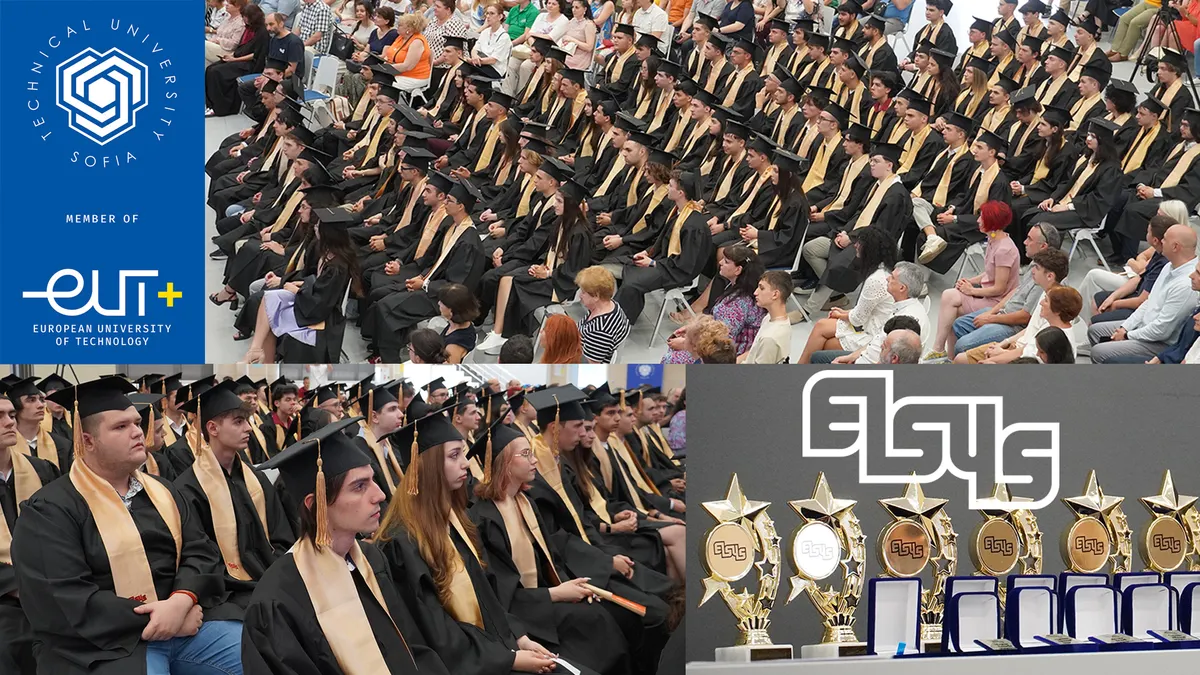
Events
The talented 34th Graduation Class of TUT received their graduation diplomas
June 23, 2026
Read more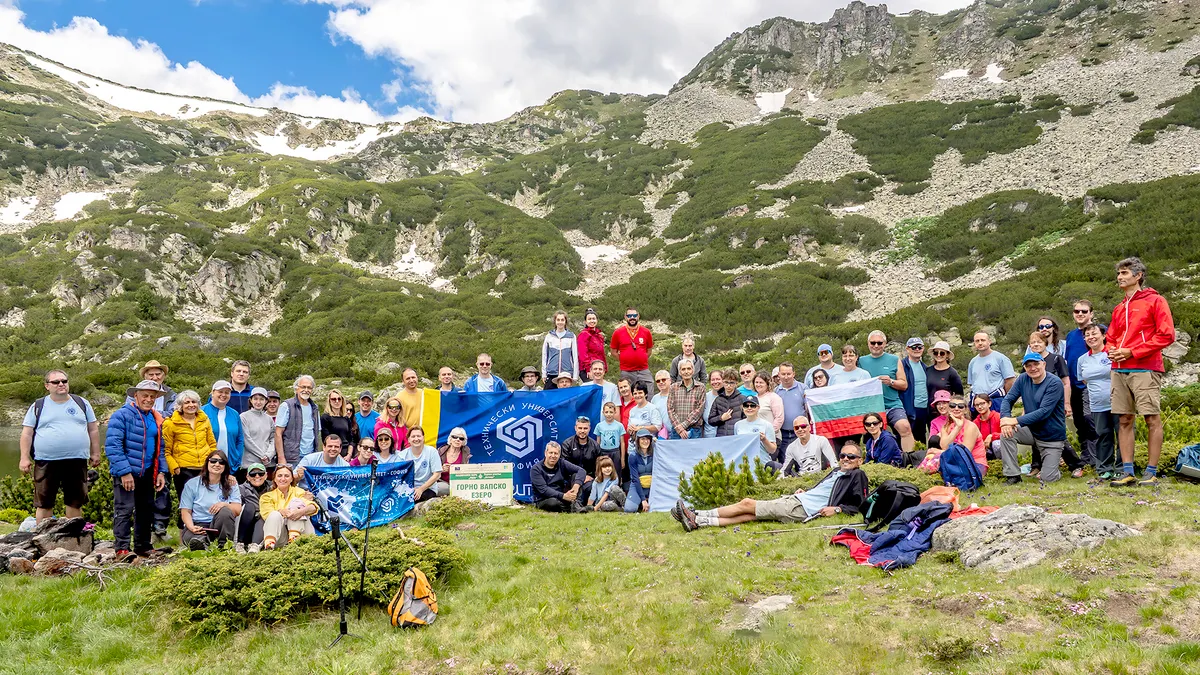
Events
The Technical University – Sofia conquered Rila
June 23, 2026
Read more