
Infineon Technologies Austria and TU – Sofia announced academic cooperation in the field of microelectronics
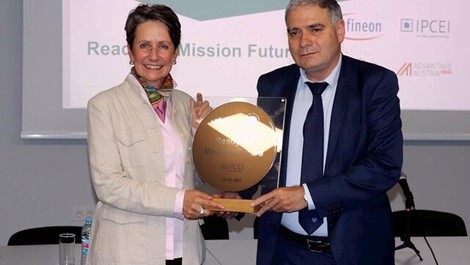
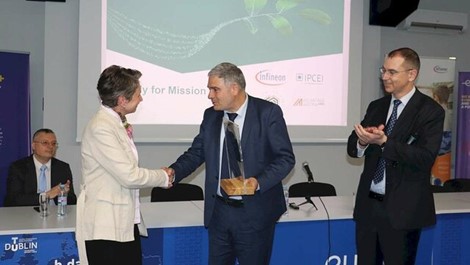
The Austrian subsidiary of German semiconductor manufacturer Infineon Technologies and the Technical University of Sofia announced the launch of academic cooperation in the field of microelectronics. It includes providing scholarships for doctoral students in the context of the European IPCEI initiative for microelectronics (International Projects of Common European Interest), as well as support for research activities at the master's and bachelor's levels for students enrolled in specialties in the field of microelectronics. The agreement was announced by Sabine Herlitska, CEO of Infineon Austria, at the Center of Excellence "Mechatronics and Clean Technologies", which was opened a year ago at TU - Sofia. The cooperation combines the best of both worlds - academia and industry, and will stimulate further development of European microelectronics and energy-efficient technologies for decarbonization, explained Herlitska. According to her, the idea is to strengthen the transfer of knowledge between business, research organizations, and universities, so that they jointly create innovations, and the generated ideas are embodied in products and solutions for the market. "Europe has actively embarked on the green transition, and digitalization can significantly help this transition, mainly relying on microelectronics," she said. "Everyone talks about IT, about data science, but the main challenge is global development and retrofitting with energy-efficient systems. Microelectronics is the foundation that can unlock the opportunities we have," added Sabine Herlitska. The German Infineon, headquartered in Munich, with an annual turnover of over 14.2 billion euros, is among the top 20 chip manufacturers in the world, with only two other European companies on this list - the Dutch NXP and STMicro. Infineon Austria has achieved a turnover of over 5.2 billion euros with 5,461 employees, with 20% of the group's corporate R&D expenditures made in Austria, or about 585 million euros. "Our expertise is in power electronics, where our market share exceeds 20%. These solutions unlock the potential of ecological energy, mainly through its much more efficient use. Infineon is number 1 in chips for the automotive sector," said Herlitska. The company produced over 9.4 billion chips in 2022 alone, and regarding sustainability, recognized as an important topic 12 years ago, Infineon is among the top 10% of the most sustainable companies in the world. Infineon Austria combines both R&D activities, including the development of promising semiconductor materials silicon carbide (SiC) and gallium nitride (GaN), as well as chip production through the microelectromechanical systems (MEMS) factory in the city of Villach. Last week, Infineon also announced its largest single investment - a new chip factory in Dresden worth over 5 billion euros, with the idea that in the future the two factories will operate in a common "virtual environment" Sabine Herlitska, CEO of Infineon Austria, and Prof. Dr. Eng. Ivo Iliev, Dean of the Faculty of Electronic Engineering and Technologiesand. TU - Sofia and specifically Department of Microelectronics at Faculty of Electronic Engineering and Technologies has built good relationships with Infineon Austria and the factory in Villach with the help of Prof. Georgi Angelov, Head of the Department of "Microelectronics" in Faculty of Electronic Engineering and Technologies. Following the opening of the CVC "Mechatronics and Clean Technologies", the company sees new opportunities for cooperation in the field of science and innovation. "The National Center is a leader in the field of mechatronics and is valuable not only for scientific activities, but also for researchers, for students, creating a new environment with modern equipment for training and practical developments for the industry," stated Prof. Dr. Georgi Todorov, Dean of the Faculty of Industrial Technologies. Five of the six laboratories are focused precisely on microelectronics and semiconductor products. "I believe that with this center and the doctoral programs, Sofia can become very important on Infineon's map," added Prof. Todorov. Sabine Herlitska, CEO of Infineon Austria, presented a plaque with a 300-millimeter wafer to Prof. Dr. Eng. Ivo Iliev, Dean of FIT, and Prof. Georgi Angelov, Head of the Department of "Microelectronics". After the presentation of the opportunities of the Center for Mechatronics and Clean Technologies at TUS, representatives of Infineon Austria also met with Atanas Pekanov, Deputy Prime Minister for the Management of European Funds. He confirmed that the infrastructure in this center, built with funds from the OP "Science and Innovations for Intelligent Growth", "will not only stimulate the conduct of high-quality research activities, but will also contribute to retaining highly qualified personnel in the country, attracting young scientists, and stimulating international cooperation". "With the company's representatives, we discussed the need to strengthen European cooperation in the fields of high technologies such as microchips and artificial intelligence, the need to ensure sustainable local production of microchips, energy grids, and vehicles, which are critical for the strategic autonomy of the EU," stated Atanas Pekanov after the meeting. According to him, the European Union needs not only changes in regulations, but also additional funding - for example, through the creation of a European Sovereign Fund, which would support the construction of future production facilities in Europe.
The Austrian subsidiary of German semiconductor manufacturer Infineon Technologies and the Technical University of Sofia announced the launch of academic cooperation in the field of microelectronics. It includes providing scholarships for doctoral students in the context of the European IPCEI initiative for microelectronics (International Projects of Common European Interest), as well as support for research activities at the master's and bachelor's levels for students enrolled in specialties in the field of microelectronics. The agreement was announced by Sabine Herlitska, CEO of Infineon Austria, at the Center of Excellence "Mechatronics and Clean Technologies", which was opened a year ago at TU - Sofia. The cooperation combines the best of both worlds - academia and industry, and will stimulate further development of European microelectronics and energy-efficient technologies for decarbonization, explained Herlitska. According to her, the idea is to strengthen the transfer of knowledge between business, research organizations, and universities, so that they jointly create innovations, and the generated ideas are embodied in products and solutions for the market. "Europe has actively embarked on the green transition, and digitalization can significantly help this transition, mainly relying on microelectronics," she said. "Everyone talks about IT, about data science, but the main challenge is global development and retrofitting with energy-efficient systems. Microelectronics is the foundation that can unlock the opportunities we have," added Sabine Herlitska. The German Infineon, headquartered in Munich, with an annual turnover of over 14.2 billion euros, is among the top 20 chip manufacturers in the world, with only two other European companies on this list - the Dutch NXP and STMicro. Infineon Austria has achieved a turnover of over 5.2 billion euros with 5,461 employees, with 20% of the group's corporate R&D expenditures made in Austria, or about 585 million euros. "Our expertise is in power electronics, where our market share exceeds 20%. These solutions unlock the potential of ecological energy, mainly through its much more efficient use. Infineon is number 1 in chips for the automotive sector," said Herlitska. The company produced over 9.4 billion chips in 2022 alone, and regarding sustainability, recognized as an important topic 12 years ago, Infineon is among the top 10% of the most sustainable companies in the world. Infineon Austria combines both R&D activities, including the development of promising semiconductor materials silicon carbide (SiC) and gallium nitride (GaN), as well as chip production through the microelectromechanical systems (MEMS) factory in the city of Villach. Last week, Infineon also announced its largest single investment - a new chip factory in Dresden worth over 5 billion euros, with the idea that in the future the two factories will operate in a common "virtual environment" Sabine Herlitska, CEO of Infineon Austria, and Prof. Dr. Eng. Ivo Iliev, Dean of the Faculty of Electronic Engineering and Technologiesand. TU - Sofia and specifically Department of Microelectronics at Faculty of Electronic Engineering and Technologies has built good relationships with Infineon Austria and the factory in Villach with the help of Prof. Georgi Angelov, Head of the Department of "Microelectronics" in Faculty of Electronic Engineering and Technologies. Following the opening of the CVC "Mechatronics and Clean Technologies", the company sees new opportunities for cooperation in the field of science and innovation. "The National Center is a leader in the field of mechatronics and is valuable not only for scientific activities, but also for researchers, for students, creating a new environment with modern equipment for training and practical developments for the industry," stated Prof. Dr. Georgi Todorov, Dean of the Faculty of Industrial Technologies. Five of the six laboratories are focused precisely on microelectronics and semiconductor products. "I believe that with this center and the doctoral programs, Sofia can become very important on Infineon's map," added Prof. Todorov. Sabine Herlitska, CEO of Infineon Austria, presented a plaque with a 300-millimeter wafer to Prof. Dr. Eng. Ivo Iliev, Dean of FIT, and Prof. Georgi Angelov, Head of the Department of "Microelectronics". After the presentation of the opportunities of the Center for Mechatronics and Clean Technologies at TUS, representatives of Infineon Austria also met with Atanas Pekanov, Deputy Prime Minister for the Management of European Funds. He confirmed that the infrastructure in this center, built with funds from the OP "Science and Innovations for Intelligent Growth", "will not only stimulate the conduct of high-quality research activities, but will also contribute to retaining highly qualified personnel in the country, attracting young scientists, and stimulating international cooperation". "With the company's representatives, we discussed the need to strengthen European cooperation in the fields of high technologies such as microchips and artificial intelligence, the need to ensure sustainable local production of microchips, energy grids, and vehicles, which are critical for the strategic autonomy of the EU," stated Atanas Pekanov after the meeting. According to him, the European Union needs not only changes in regulations, but also additional funding - for example, through the creation of a European Sovereign Fund, which would support the construction of future production facilities in Europe.
See the article here