
14.06.2021
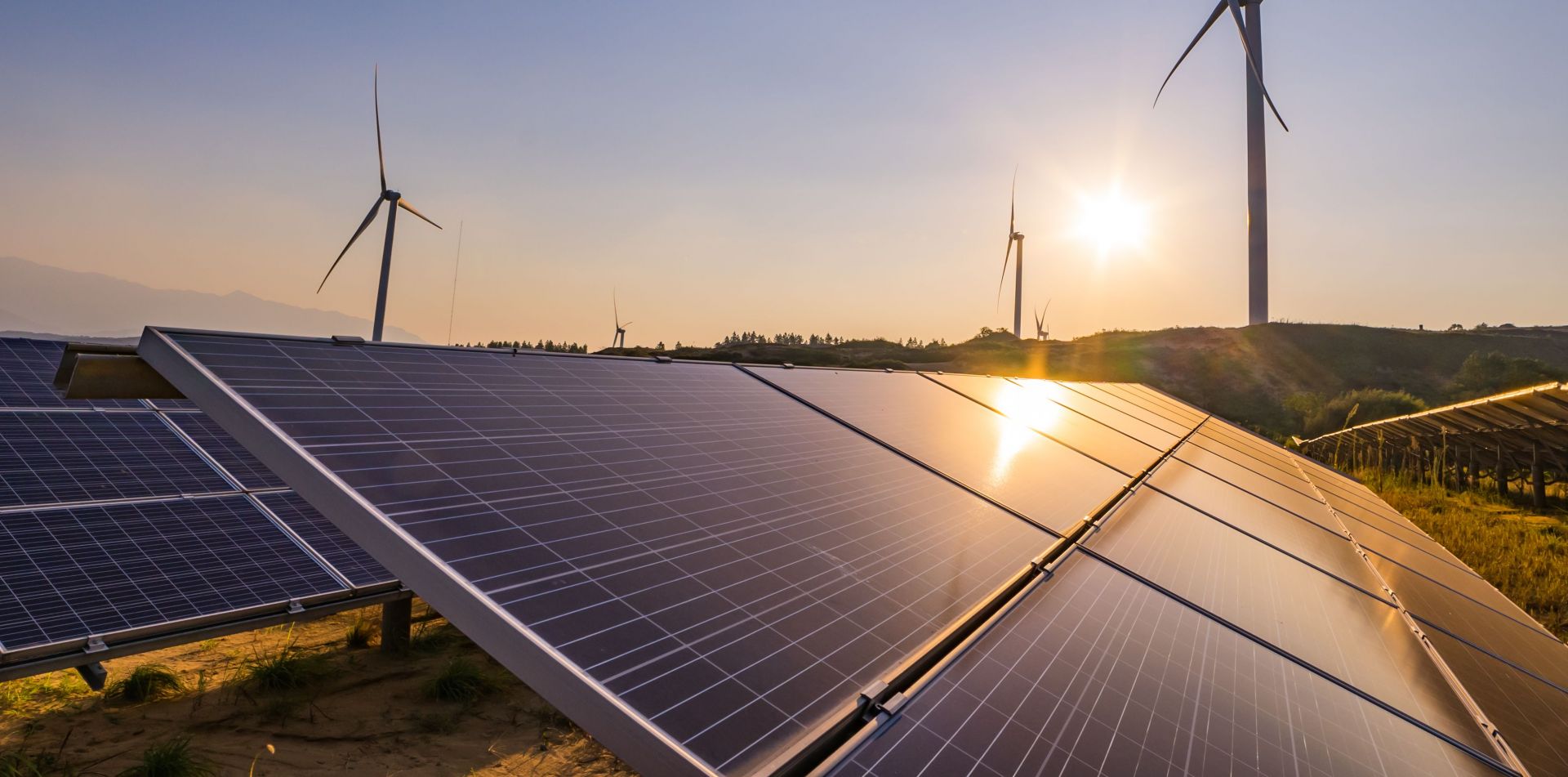
For the first time, Bulgarian scientists from institutes of the Bulgarian Academy of Sciences (BAS) and universities have jointly developed new methods for energy storage. BAS presented its developments under the National Scientific Program "Low-Carbon Energy for Transport and Household (EPLUS)". The "Green House" project demonstrates how single-family homes or commercial buildings can use electricity without harmful emissions being released into the atmosphere through autonomous thermal and power supply. To this end, scientists have built an autonomous hybrid renewable power system with zero carbon emissions, consisting of a battery and hydrogen cycle for energy storage. The building is powered by electricity from renewable energy sources, hydrogen, and, in case of a shortage of clean energy, from the electrical grid. A monitoring and control system for a single-household house with an annual energy consumption of around 10,000 kilowatt-hours has been designed. Currently, installation of the hybrid energy systems is underway on the premises of the Institute of Electrochemistry and Energy Systems of BAS and the Technical University - Sofia. Once the system is operational, scientists will conduct observations and exchange data with each other. Within the framework of the program, a prototype of a trolleybus with a hybrid range extender "battery/fuel cell" is also being developed. The trolleybus is transformed into a hydrogen-powered vehicle through the "retrofitting" method, which allows for the replacement of the electric motor and reinforcement of its frame, onto which the new components will be mounted. A public tender has been announced for the delivery of these components, which will be integrated into the trolleybus, after which its test trials will begin. The successful implementation of this project will enable the replacement of vehicles in the public transport systems of Sofia and Stara Zagora. Within the framework of the National Scientific Program "EPLUS", a National Scientific Network "Carbon Dioxide Capture and Utilization" is also being established. For the first time, Bulgarian scientists from institutes of the Bulgarian Academy of Sciences and universities have jointly developed new methods for storing energy from renewable energy sources, efficient methods for capturing and utilizing carbon dioxide, and possibilities for the application of hydrogen in transport. The participants in the meeting were welcomed by the Deputy Minister of Education and Science, Prof. Neli Koseva.
See the article here
Dir.bg, 14.06.2021
Technews.bg, 15.06.2021
Kaldata.com, 15.06.2021