

27.09.2020
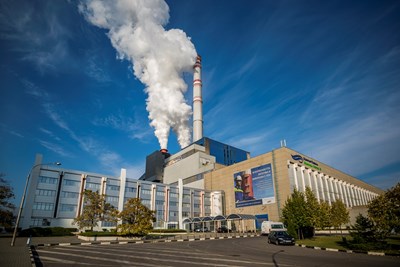
Energy workers from "ContourGlobal Maritsa Iztok 3" are enrolled in a special master's program in Stara Zagora, which has had its curriculum updated this fall. A few months ago, the most debated topic in Bulgarian higher education was how it would even take place. Homes of thousands of Bulgarians turned into improvised lecture halls where teaching was conducted entirely virtually. Today, education is on its way back to its traditional venues, which it was forced to abandon in mid-March, and statistics clearly indicate that, in some inexplicable way, the Covid-19 pandemic has significantly increased the number of applicants. This trend is noticeable even in difficult technical specialties, which are traditionally not very attractive to young people. If for some the choice of discipline in 2020 was filled with dilemmas about which academic path to take, for others it is a predetermined destiny that will later provide additional guarantees for development and prosperity. In the Stara Zagora region, business and higher education know their needs well and for this reason have decided to move in one direction. The largest energy complex in the country, "Maritsa East," operates in the area. The thermal power plants in the complex provide a livelihood for thousands of specialists and their families, producing annually 40% of the electricity intended for the domestic market. In winter, this share increases to 60%. Such infrastructure requires well-prepared and competent personnel to ensure the reliable operation of production capacities, and thereby the security of the Bulgarian electricity system. For the fourth year running, Stara Zagora hosts a master's program in "Thermal Engineering" offered by the Technical University of Sofia. This is possible thanks to the partnership of the educational institution with three of the power plants in the region and the support of the Stara Zagora Municipality. Successful graduates get a chance for employment in the "Maritsa East" complex. To date, more than 20 energy specialists have graduated from the program. There is interest both from employees of the TPPs in the Maritsa basin, who have already started their careers in the energy sector, and from local people with other educations who are seeking employment within the complex. "Starting this year, the master's program in "Thermal Engineering" becomes a protected specialty, which means that state fees are waived for it. In other words, if this is your first master's degree, you legally have the right to it for free," begins Prof. Totyu Totev, head of the Department of "Thermal and Nuclear Engineering" at the Technical University of Sofia, in his explanation of the program. The professor clarifies that the program aims to consolidate the skills already built through the practice of those working in the complex with additional technical knowledge, while simultaneously working with examples from the real work process within a TPP. Thus, students not only receive academic knowledge but also significantly improve their understanding of the real situations they will face in the field. "Our goal is to be useful to the coal power plants. We constantly communicate with the human resources departments, asking if their employees want to start a scholarship program," Prof. Totev adds. The updates to the curriculum this year provide for a more intensive study of modern energy technologies. "We are talking about technologies that Bulgaria might eventually develop using coal, gasification, and natural gas as fuel, which will be a transitional resource for the energy generation sector until 2050. The idea is not to focus solely on conventional thermal engineering, but to update our programs to contemporary trends and what the European Union outlines as a future strategy," the professor emphasizes. Krassimir Delchev and Petar Tonev are at the final stage of the master's program and are due to defend their thesis. Both have been working for years at the "ContourGlobal Maritsa East 3" TPP. The plant is one of the main sponsors of the program and a structurally defining power for Bulgarian energy. By mid-year, it has provided 13% of the generated electricity – an amount sufficient to cover the annual consumption of more than a million Bulgarian households. And it needs good specialists. "By education, I am an engineer, but a computer one. I have been working in the plant for years and decided that the specialty would give me a chance to get acquainted with processes that I could not explain until now," says Krassimir, who works in the "Operation" department. He is preparing a thesis close to the things he does daily. "I learned new things that I had accepted as routine for years. They tell you 'Do it this way because that's how it's done.' Now I have found an explanation and understood the dependencies between the processes," the energy specialist adds. "We are looking for the scientific perspective of things. Thermal engineering is a specific activity with many pitfalls. Through the master's program, we discovered a large part of them," Petar continues. He has been working for the second year in the "Mechanical Maintenance" department of the "ContourGlobal Maritsa East 3" TPP, after having previously gone through most of the specific positions. Petar admits that he would have learned the details revealed by the program on his own, but it would have taken much more time. "Older colleagues say that all this is something new and we are among the first to have the chance for such specialization. It is definitely convenient for people in the region who work en masse in the energy sector," he evaluates. From this academic year, there are six confirmed new entrants in the master's program, and the Technical University and local energy producers hope that interest will continue to grow. In this way, plants like "ContourGlobal Maritsa East 3," where Petar and Krassimir work, and the other coal capacities in the "Maritsa East" complex, ensure quality operation by prepared people who are aware of the high responsibility of participating in guaranteeing the country's energy security.
Energy workers from "ContourGlobal Maritsa Iztok 3" are enrolled in a special master's program in Stara Zagora, which has had its curriculum updated this fall. A few months ago, the most debated topic in Bulgarian higher education was how it would even take place. Homes of thousands of Bulgarians turned into improvised lecture halls where teaching was conducted entirely virtually. Today, education is on its way back to its traditional venues, which it was forced to abandon in mid-March, and statistics clearly indicate that, in some inexplicable way, the Covid-19 pandemic has significantly increased the number of applicants. This trend is noticeable even in difficult technical specialties, which are traditionally not very attractive to young people. If for some the choice of discipline in 2020 was filled with dilemmas about which academic path to take, for others it is a predetermined destiny that will later provide additional guarantees for development and prosperity. In the Stara Zagora region, business and higher education know their needs well and for this reason have decided to move in one direction. The largest energy complex in the country, "Maritsa East," operates in the area. The thermal power plants in the complex provide a livelihood for thousands of specialists and their families, producing annually 40% of the electricity intended for the domestic market. In winter, this share increases to 60%. Such infrastructure requires well-prepared and competent personnel to ensure the reliable operation of production capacities, and thereby the security of the Bulgarian electricity system. For the fourth year running, Stara Zagora hosts a master's program in "Thermal Engineering" offered by the Technical University of Sofia. This is possible thanks to the partnership of the educational institution with three of the power plants in the region and the support of the Stara Zagora Municipality. Successful graduates get a chance for employment in the "Maritsa East" complex. To date, more than 20 energy specialists have graduated from the program. There is interest both from employees of the TPPs in the Maritsa basin, who have already started their careers in the energy sector, and from local people with other educations who are seeking employment within the complex. "Starting this year, the master's program in "Thermal Engineering" becomes a protected specialty, which means that state fees are waived for it. In other words, if this is your first master's degree, you legally have the right to it for free," begins Prof. Totyu Totev, head of the Department of "Thermal and Nuclear Engineering" at the Technical University of Sofia, in his explanation of the program. The professor clarifies that the program aims to consolidate the skills already built through the practice of those working in the complex with additional technical knowledge, while simultaneously working with examples from the real work process within a TPP. Thus, students not only receive academic knowledge but also significantly improve their understanding of the real situations they will face in the field. "Our goal is to be useful to the coal power plants. We constantly communicate with the human resources departments, asking if their employees want to start a scholarship program," Prof. Totev adds. The updates to the curriculum this year provide for a more intensive study of modern energy technologies. "We are talking about technologies that Bulgaria might eventually develop using coal, gasification, and natural gas as fuel, which will be a transitional resource for the energy generation sector until 2050. The idea is not to focus solely on conventional thermal engineering, but to update our programs to contemporary trends and what the European Union outlines as a future strategy," the professor emphasizes. Krassimir Delchev and Petar Tonev are at the final stage of the master's program and are due to defend their thesis. Both have been working for years at the "ContourGlobal Maritsa East 3" TPP. The plant is one of the main sponsors of the program and a structurally defining power for Bulgarian energy. By mid-year, it has provided 13% of the generated electricity – an amount sufficient to cover the annual consumption of more than a million Bulgarian households. And it needs good specialists. "By education, I am an engineer, but a computer one. I have been working in the plant for years and decided that the specialty would give me a chance to get acquainted with processes that I could not explain until now," says Krassimir, who works in the "Operation" department. He is preparing a thesis close to the things he does daily. "I learned new things that I had accepted as routine for years. They tell you 'Do it this way because that's how it's done.' Now I have found an explanation and understood the dependencies between the processes," the energy specialist adds. "We are looking for the scientific perspective of things. Thermal engineering is a specific activity with many pitfalls. Through the master's program, we discovered a large part of them," Petar continues. He has been working for the second year in the "Mechanical Maintenance" department of the "ContourGlobal Maritsa East 3" TPP, after having previously gone through most of the specific positions. Petar admits that he would have learned the details revealed by the program on his own, but it would have taken much more time. "Older colleagues say that all this is something new and we are among the first to have the chance for such specialization. It is definitely convenient for people in the region who work en masse in the energy sector," he evaluates. From this academic year, there are six confirmed new entrants in the master's program, and the Technical University and local energy producers hope that interest will continue to grow. In this way, plants like "ContourGlobal Maritsa East 3," where Petar and Krassimir work, and the other coal capacities in the "Maritsa East" complex, ensure quality operation by prepared people who are aware of the high responsibility of participating in guaranteeing the country's energy security.
See the article here
Latest News and Events
View all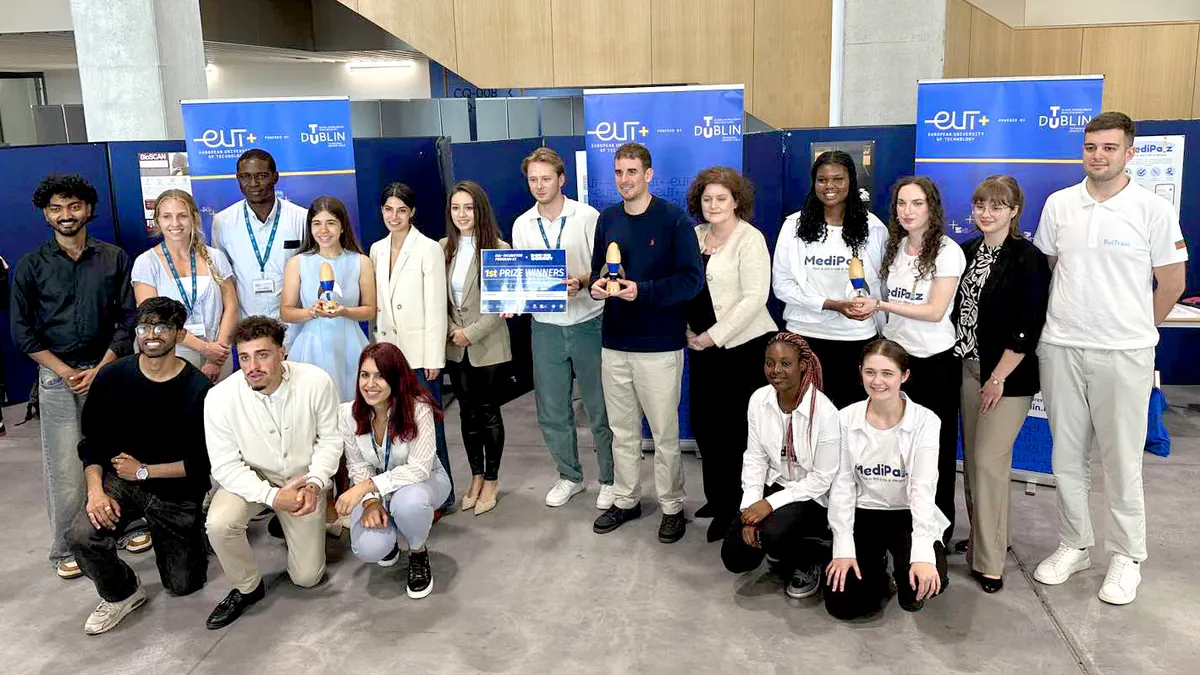
Events
The Technical University – Sofia with a worthy performance at the final of the international Incubation Program for Entrepreneurship in Dublin
July 04, 2026
Read more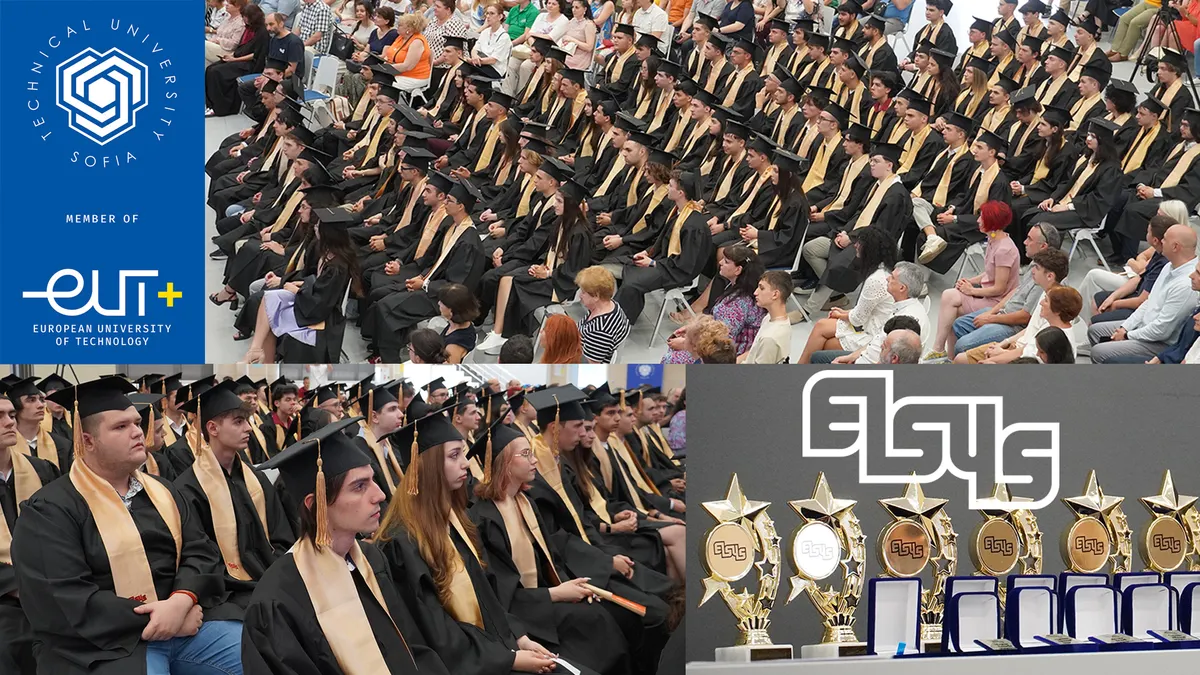
Events
The talented 34th Graduation Class of TUT received their graduation diplomas
June 23, 2026
Read more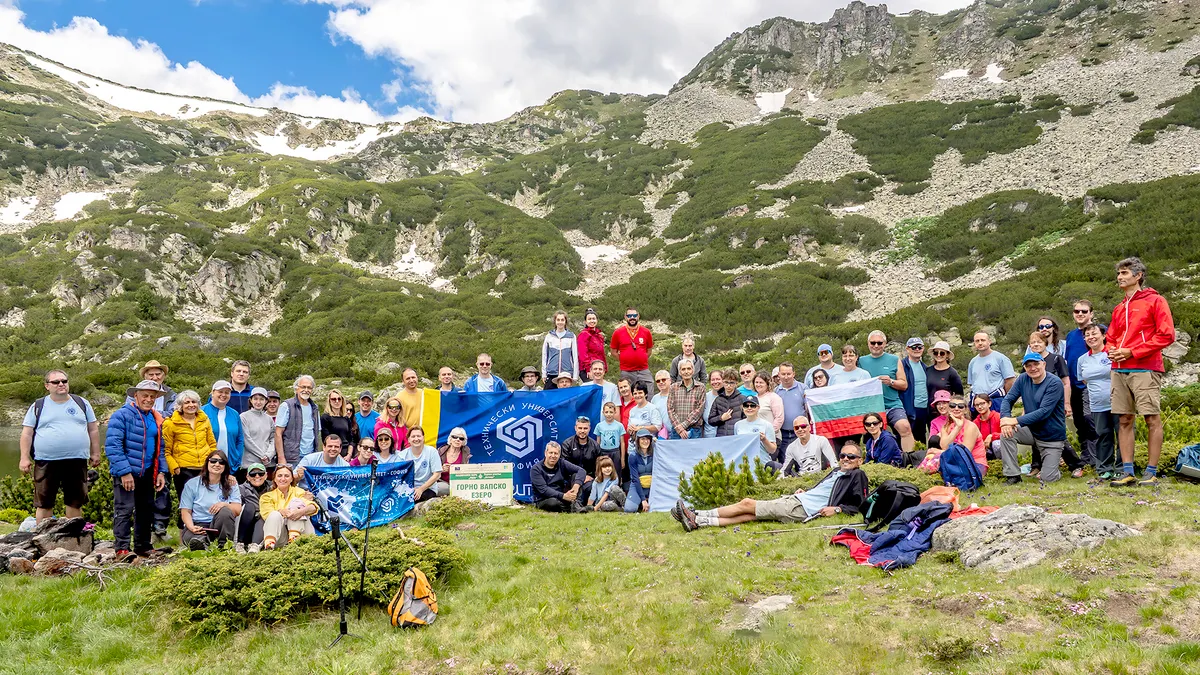
Events
The Technical University – Sofia conquered Rila
June 23, 2026
Read more