
31.08.2020
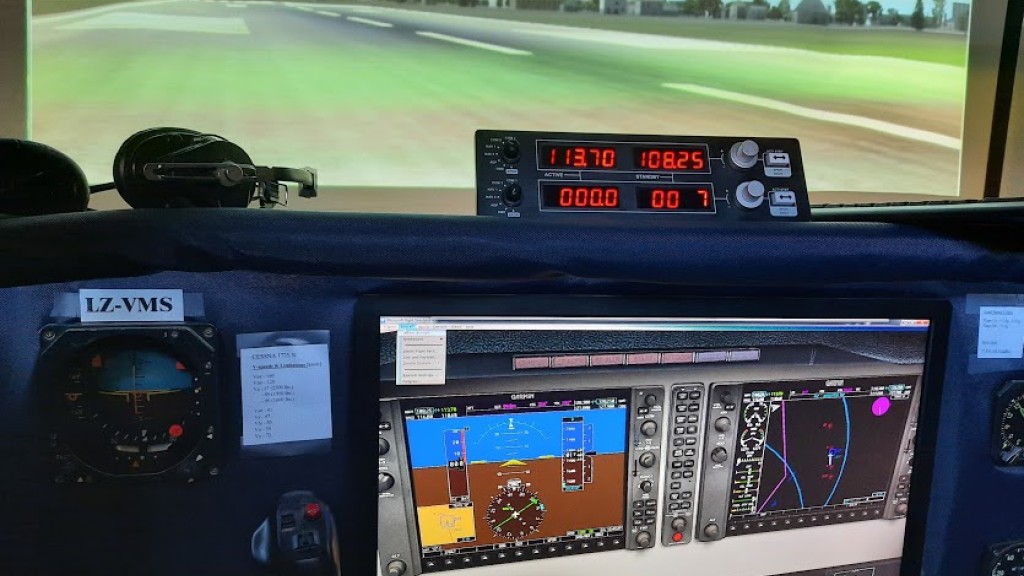
The idea comes from three graduates, and the simulator will also be used for research purposes. The Technical University of Sofia has acquired an aviation simulator that will serve for training and research purposes. The project is the work of three graduates and their instructor. The idea and funding. The idea for the flight simulator was born during a practical session for the subject "Aviation Instruments and Automatic Systems." The enthusiasts renovated a room, then designed and built the invention. Initially, the graduates funded their initiative with their own funds. This year, they participated in the competition for innovative student developments "Student Innovation Hub," organized by the Research Sector of TU-Sofia, and the project won funding from it. The competition encourages the development of experimental models and prototypes, as well as submitting patent and utility model applications with student participation. What will the simulator be used for? The project aims to create a simulator complex for demonstrations, training, and analysis of various systems in aircraft, aviation, aeronavigation, automatic control of aircraft, aviation pilotage systems, combined operation of various systems, various types of failures, situations, flight information, radar control, radar information, operation of various services, and others. The simulator complex will provide the opportunity to introduce innovative methods for visual training using virtual reality tools for a large number of subjects in the curriculum of the specialty "Aviation Technology and Engineering." The simulator allows demonstration of flight activity through its various stages in "Flight" mode. Currently, flights of light aircraft, heavy aircraft, and helicopters can be simulated, with the possibility of adding additional aircraft models. Different airports are simulated under different meteorological conditions and at different times of the day. The goal is for trainees to develop recognition skills for the instruments of various aircraft, how they behave during flight, takeoff, and landing, acquiring important skills and habits that are highly valued by those working in aviation. It is planned that in the future, simulated flight hours will also be included as part of practical or motivational training. The completed simulator complex will also be used for applied scientific and research purposes by the faculty and doctoral students of the Department of Air Transport, as well as for the development of bachelor's and master's thesis works. The student project will participate with fun demonstrations on November 27 and 28 at the upcoming edition of "European Researchers' Night".
See the article here
Vtvnovinite.bg, 31.08.2020