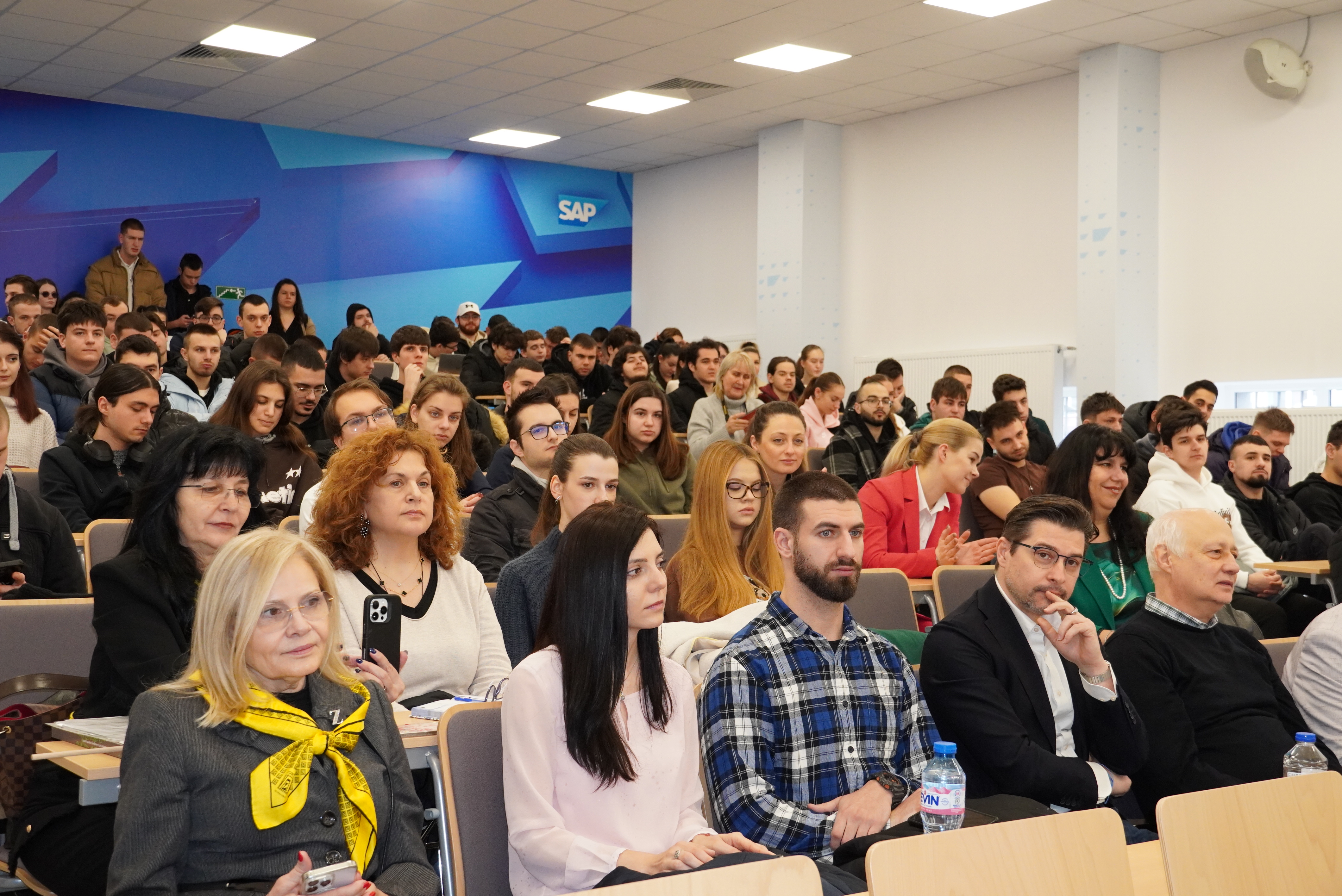

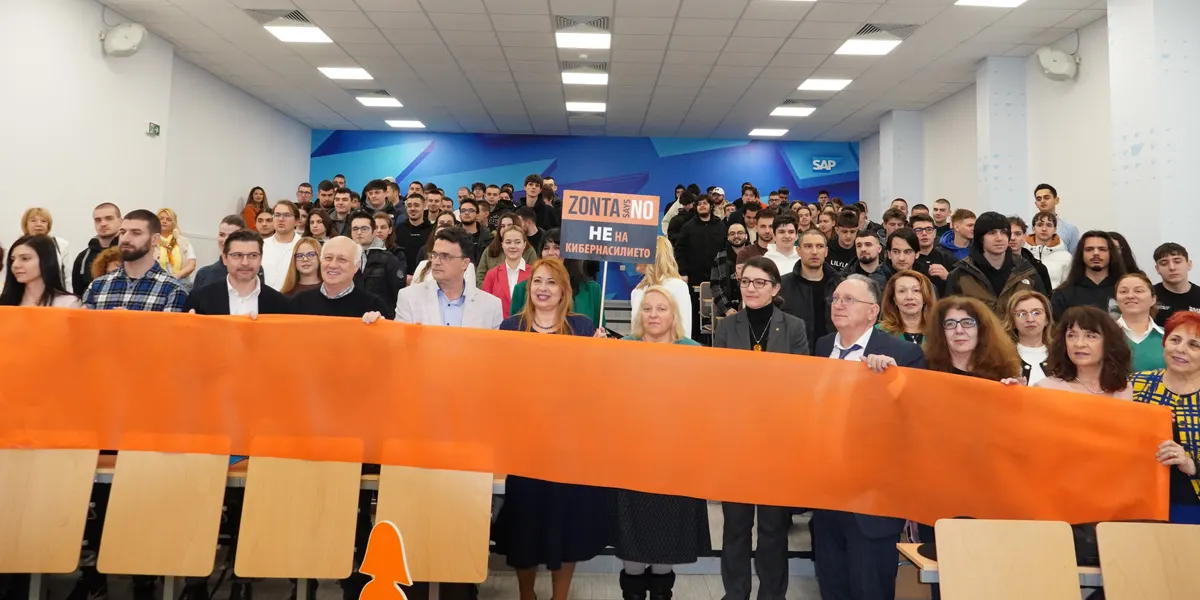
The event is organized on the occasion of Cybersecurity Month and marks 5 years since the implementation of the project "NO to cyber violence against women and children". The meeting was attended by the Deputy Rector for International Activities and Integration of the Technical University – Sofia, Prof. Dr. Eng. Lidia Galabova, Prof. Dr. Eng. Daniela Gotscheva, Dean of the Faculty of Computer Systems and Technologies, Diana Ivanova, Director of Area 05 of the Zonta Clubs, Dr. Eleonora Lilova, Head of the Regional Directorate of Education – Sofia-City, representatives of the General Directorate for Combating Organized Crime. Today's meeting focused on one of the most serious and at the same time often underestimated problems of modern digital society. The consistent engagement of Zonta Club Sofia and TU – Sofia in recent years is a clear sign of responsibility, foresight, and active civic stance. The project obliges public energy and academic potential to work together for the benefit of people.
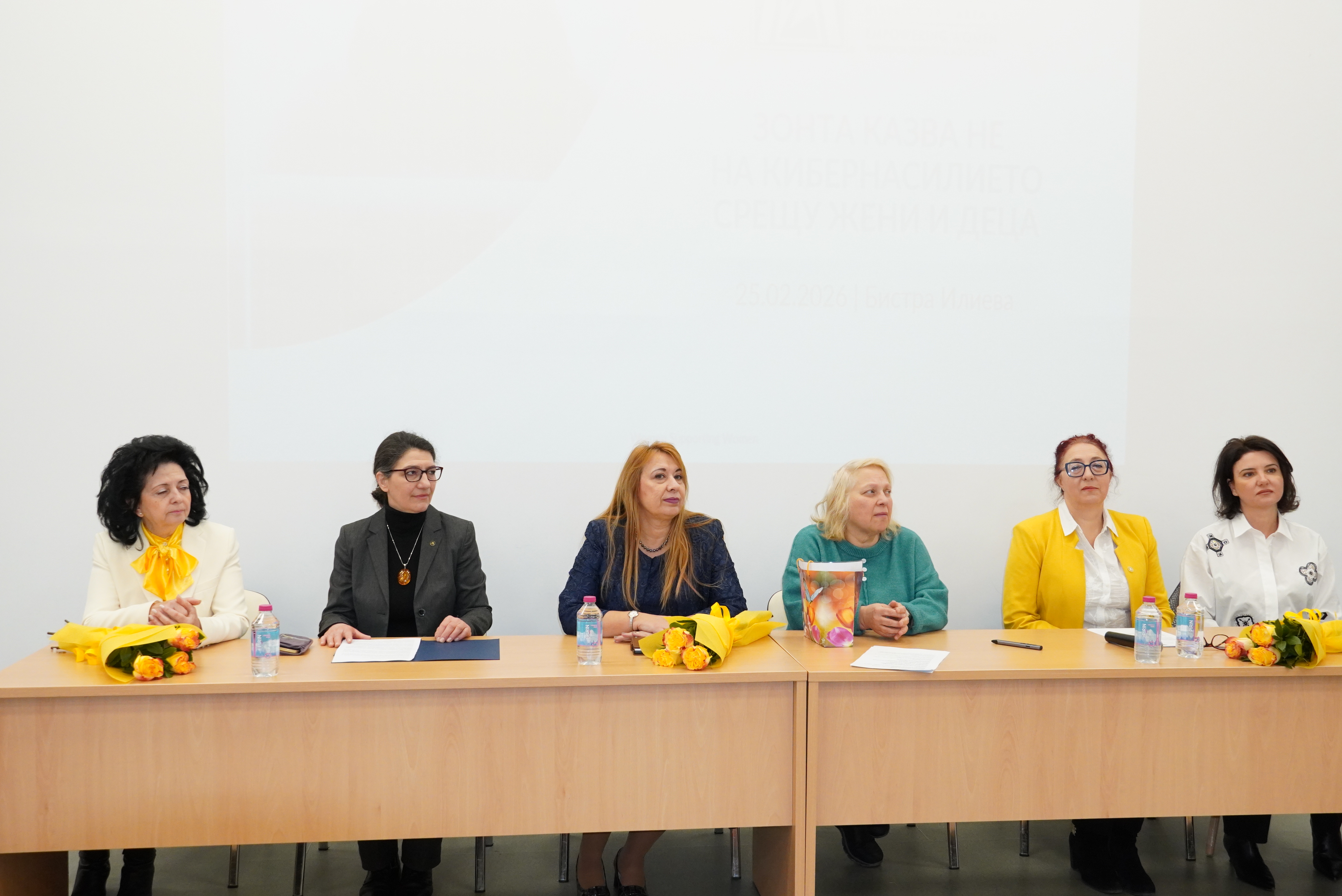
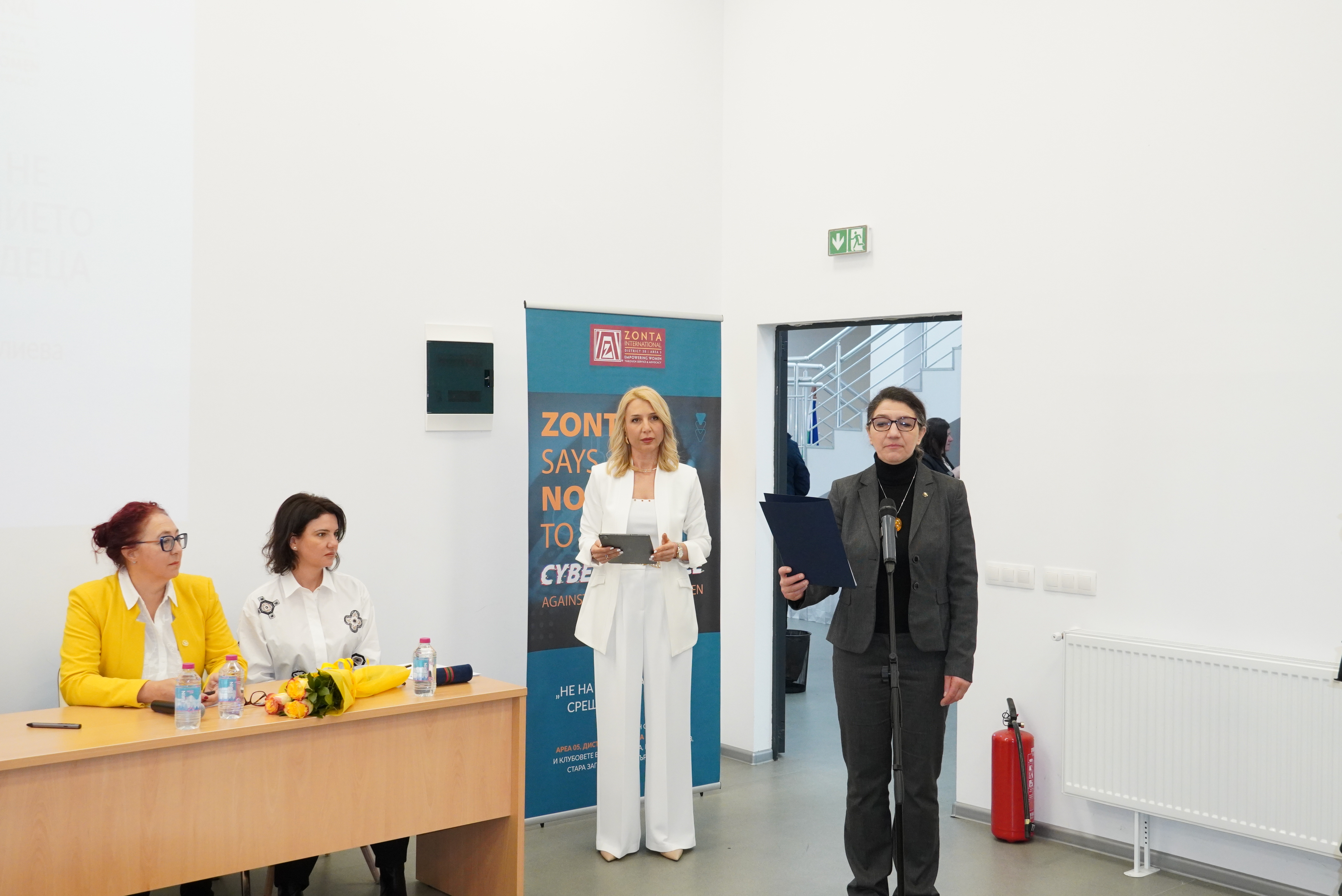
"Cybersecurity is among the strategic priorities of the Technical University – Sofia," said the Deputy Rector for International Activities and Integration, Prof. Dr. Eng. Lidia Galabova. She emphasized that in recent years, the specialty – "Cybersecurity" has been established not only as a leading scientific research field but also as one of the most sought-after and promising specialties at the university. In the conditions of dynamic development of information and communication technologies, digitalization, and artificial intelligence, security in the online environment is no longer a matter of choice. It has become a necessity. According to her, the Center of Excellence, Universities for Science, Informatics and Technologies - UNIte is a vivid example of how science can be useful to society. This is achieved through the construction of modern scientific infrastructure and through cooperation between business and public institutions. The Center – UNIte at TU – Sofia contributes to the implementation of national priorities and the achievement of the Bulgaria 20/30 Program, she said.
The Technical University – Sofia is a leading scientific research center not only in Bulgaria but also in Europe. By fulfilling its socio-economic mission, the university combines education, science, and innovation as it works to create real solutions for socially significant problems, including ensuring cybersecurity and building a safe and attractive digital environment. Centers of Excellence such as UNIte create an environment where young people can develop their potential, realize their scientific ideas, and find meaning in their professional path. These are places where knowledge, innovation, and responsibility to society meet. Today we are not talking about cybersecurity; we are talking about protecting dignity, the right to security, and the future of our children.
At the forum, it was emphasized that in the digital world, borders are invisible, but responsibility is more than visible. Work must continue together – university, civil organizations and institutions with young people, to build a society in which technology serves people, rather than endangering them. With joint efforts, a safer, fairer and more humane digital environment can be created.
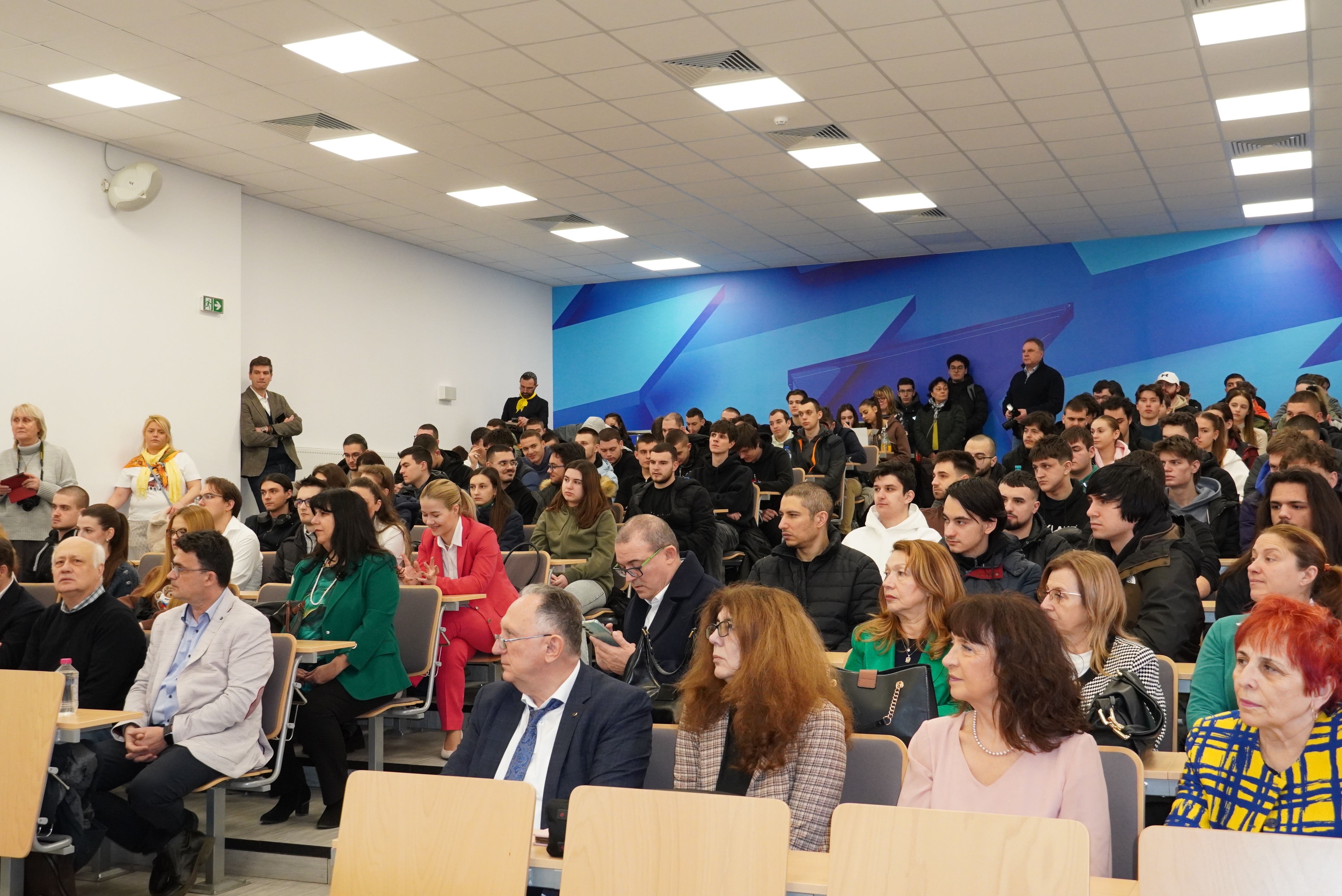
Students from the upper grades of high schools attended the meeting, who listened to lectures on the topic of cybersecurity and had the opportunity to visit laboratories at the UNITE center. Representatives of the Directorate for Combating Organized Crime presented a presentation on the topic "AI: friend, enemy or just a machine?". They acquainted students and young people with the main dangers for young people on the internet – Deepfake technologies, fake profiles on social networks, voice scams and fake news and disinformation. The experts formulated five golden rules for online security: do not believe everything that is online, do not share personal data such as addresses, names, intimate photos, personal identification numbers, bank details. Check the source of information, ask an adult and be a digital detective.